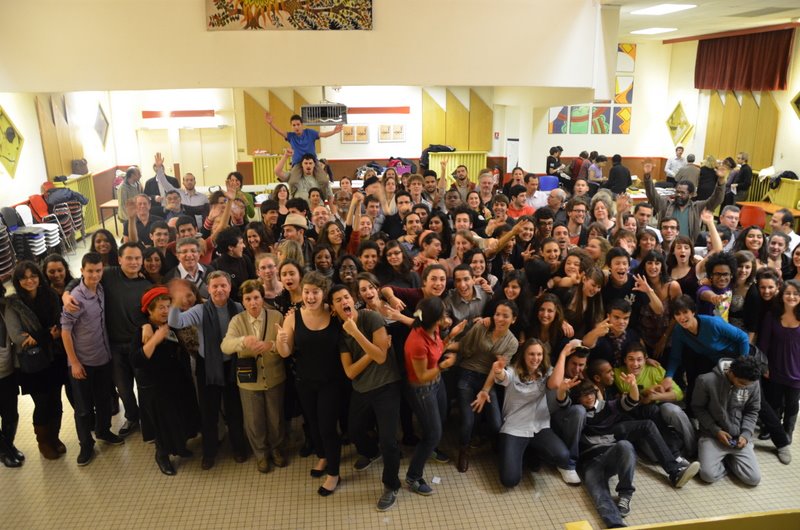
Much of my travel in 2011 to various meetings was not photogenically
inspiring. My return to Tours, France, 50 years after being a student there,
was interesting for the photographic comparison over half a century, as well
as for discovering some sites I did not know in the company of people I had
not seen for 50 years. The month I spent in North America, visiting my son
and his family in Quebec, and then 2 weeks in Pebble Beach, California,
where I grew up, visiting with my brother Greg and his family, not only
reinforced family ties, but allowed me to photo document some of the
beautiful places that I knew well as an adolescent. The visit to the Gorges
of the Devil's Bridge in France behind Thonon-les-Bains was a kind of
pilgrimage to a beautiful natural area visited by 'Abdu'l-Bahá a hundred
years ago. From early November to mid-December I made 5 trips in 5 weeks,
including lectures in Mulhouse, France, and Madrid, Spain. At the World
Science Forum in Budapest, I had some extra time to visit museums and
photograph some of the spectacular buildings. A UN University workshop was
held in a 900-year-old Dutch abbey. Finally, I flew to Tasmania for a
weekend to attend the International Environment Forum annual conference,
which was an outstanding success. The year ended with a week-long Bahá'í
training institute in Dijon, France.
FRANCE
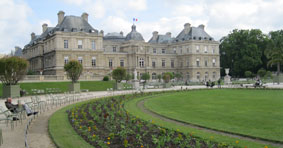
Before joining the Stanford-in-France III reunion in Paris and going on to
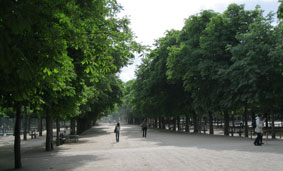
Tours, I had a couple of hours to stroll through the Luxembourg Gardens in
Paris in the spring. The Palais de Luxembourg, seat of the French Senate, is
at one end of the gardens. There are wide avenues lined with trees, and more
intimate areas dotted with sculptures.
For Tours 2011 and 1961-62,
see separate pages
 .
.  .
. 
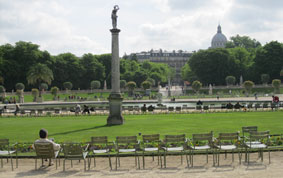
Palais de Luxembourg at one end of Luxembourg Gardens, and the dome
of Les Invalides in the distance at the other end
 .
.  .
. 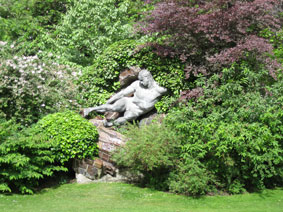
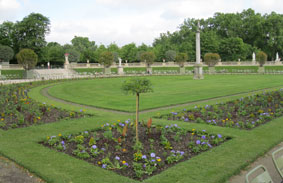
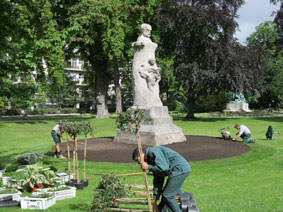
Wide avenues, gardeners at work, and sculptures in the bushes
 .
.  .
. 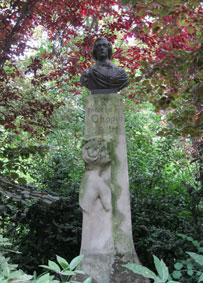
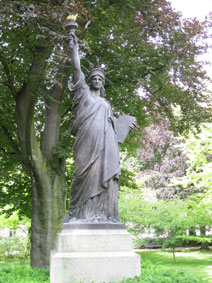
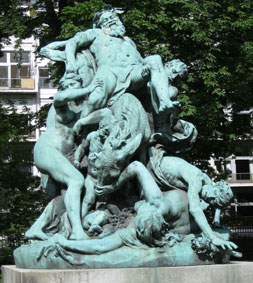
A small version of the Statue of Liberty, a sculpture of Bacchus, and
the bust of Chopin
QUEBEC
My time in Quebec was essentially spent with my son Alex, his wife Mahalia,
and their three children, especially my grandchildren Benjamin (5) and Alie
(3) in St. Romuald, Lévis, across the St. Lawrence River from Québec City.
 .
.  .
. 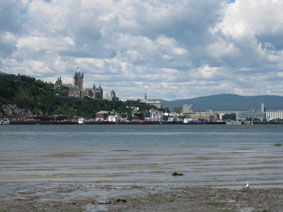
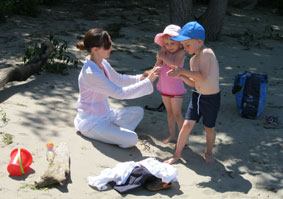
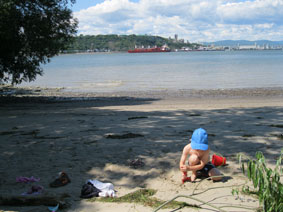
Mahalia, Alie and Benji at the beach, with a view of the city of
Québec across the river
 .
.  .
. 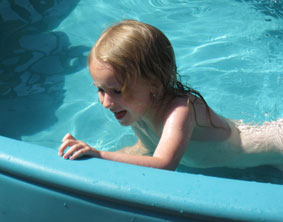
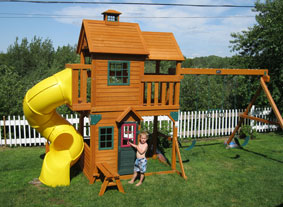
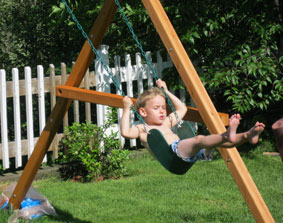
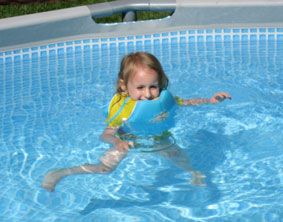
The new play house (they run a day-care centre), Benji on the swing,
and Alie in the wading pool
 .
.  .
. 
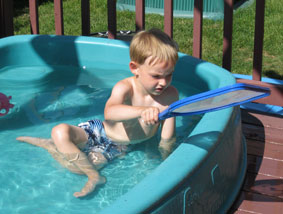
Alie's first swim by herself, and Benji cleaning the wading pool
 .
.  .
. 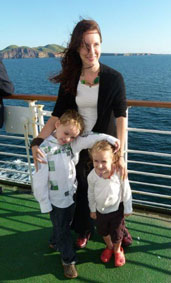
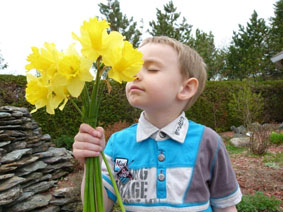
Alie and Benji sending me birthday wishes, and on the ship to the
Magdalene Islands (photos by Alex Dahl)
CALIFORNIA
In late July and early August, the Monterey Peninsula in California is
usually shrouded in fog, with sunny periods relatively rare. My brother Greg
and Emi had rented a house in Pebble Beach for a month,and I joined them for
two weeks. There were opportunities both to walk the forest paths in the Del
Monte Forest where we used to live, and to go for excursions to the
boardwalk at Santa Cruz around Monterey Bay, the Monterey Bay Aquarium,
Fishermen's Wharf, and down to the Point Lobos State Park and the Big Sur
coastline. Emi's nephew Mitko and his daughters were there for a while, and
Greg's daughter Carrie and her boyfriend also came down one day to visit.
 .
.  .
. 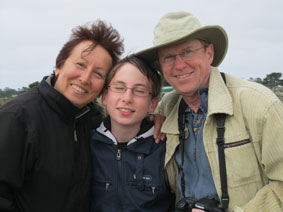
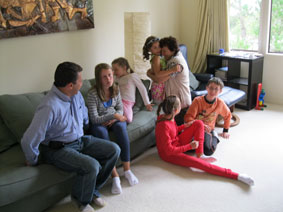
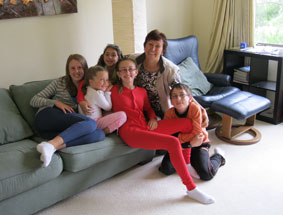
Mitko and Emi with Mitko's two girls and Mina, Joyce and Gregory. Emi,
Gregory and Greg Dahl on a cool summer day at the coast.
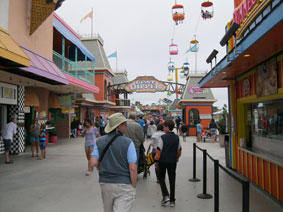
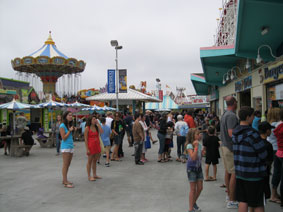
Santa Cruz boardwalk
 .
.  .
. 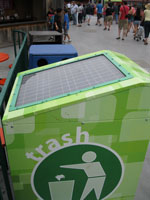
The Santa Cruz boardwalk even has solar-powered trash bins
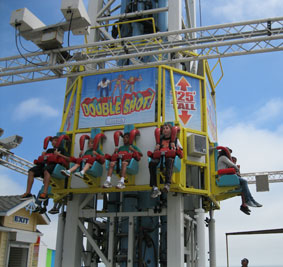 .
. 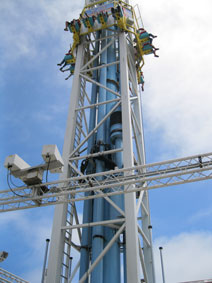 Greggy (right) on the Double Shot ride
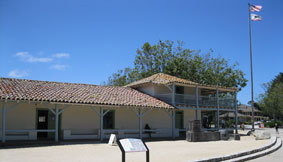
Monterey (first capital of
California under Spain and Mexico)
We had lunch one day on Fishermen's Wharf in Monterey with my niece Carrie
and Jay, who came down from Oakland.
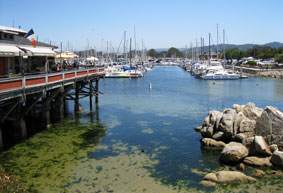
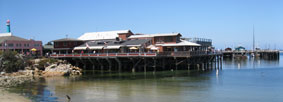 Fishermen's Wharf
 .
.  .
. 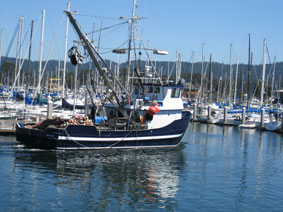
Monterey Fishermen's Wharf, the old Spanish Customs House, and the
boat harbor with an arriving fishing boat
 .
.  .
. 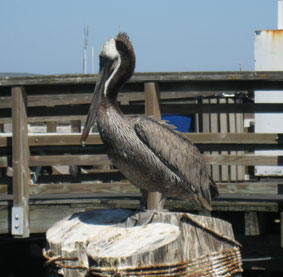
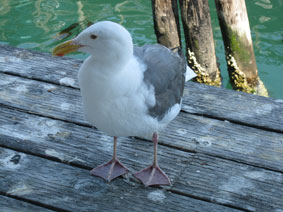
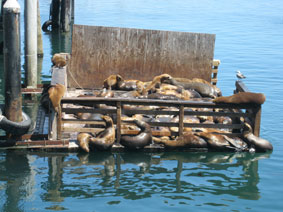
Local wildlife outside our restaurant window on Fishermen's Wharf
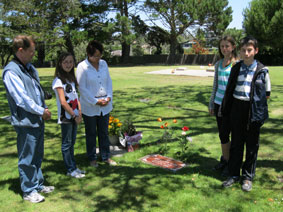
We also visited and said prayers at my Mother's grave
 .
. 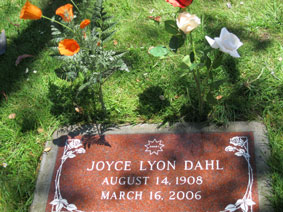
Greg, Joyce, Emi, Mina and Gregory at my Mother's grave
Point Lobos State Park
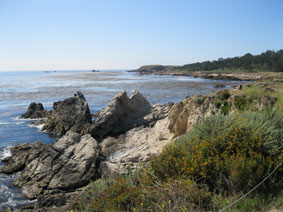
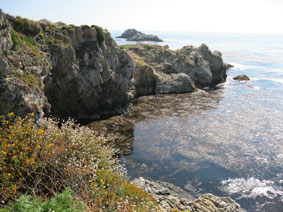
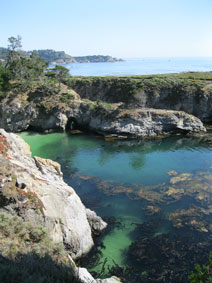
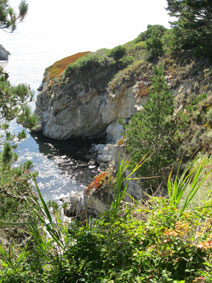
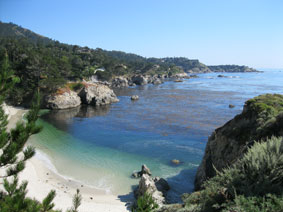
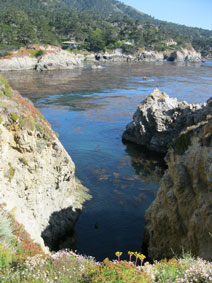
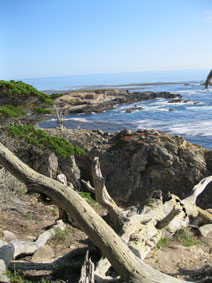
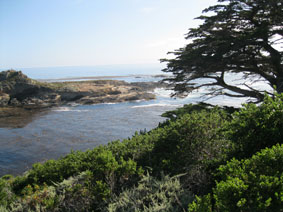
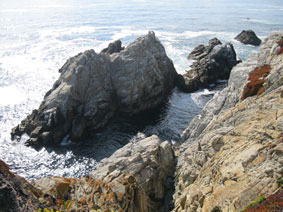
Point Lobos, at the southern end of Carmel Bay, is one of the most
beautiful meeting places of land and sea in the world. Our family
home in Pebble Beach had a wonderful view of Carmel Bay and Point
Lobos. The weather was perfect for our visit.
 .
.  .
. 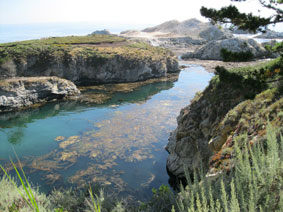
South coast with kelp-filled bays
 .
.  .
. 
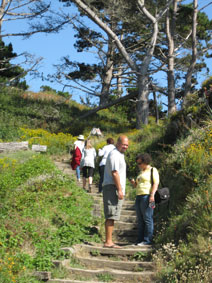
Jay, and Carrie Smith-Dahl on the south coast
 .
.  .
. 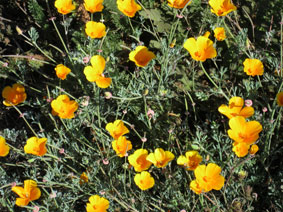
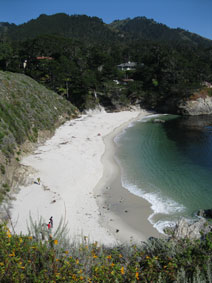
Beaches on the south coast. Wildflowers were abundant, including
California poppies
 .
.  .
.  South coast
 .
.  .
. 
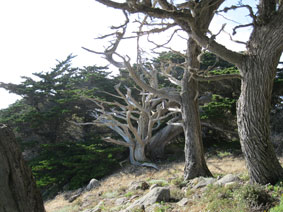
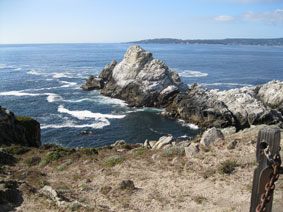
Monterey cypress (Cupressus
macrocarpa) grove and outer coast
 .
. 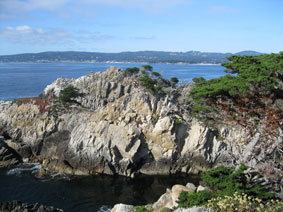
North shore with Carmel Bay and Pebble Beach behind
Pebble Beach
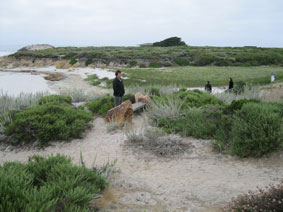
Pebble Beach, on the 17-mile Drive in the Del Monte Forest, now has
seven championship golf courses (there were 3 when I was a kid, but I never
played golf) and many more homes. The coast was only a mile from the house,
so we often went down for walks along the shore.
 .
.  .
. 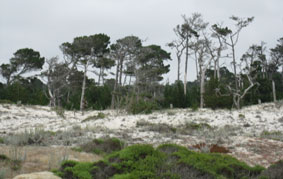
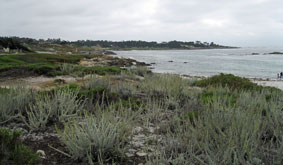
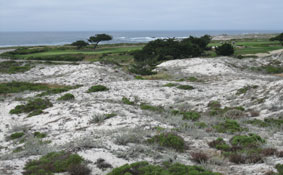
The coast looking towards Cypress Point. Most of the sand dunes we
used to play on were mined 50 years ago.
 .
.  .
. 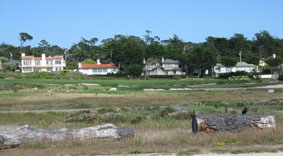
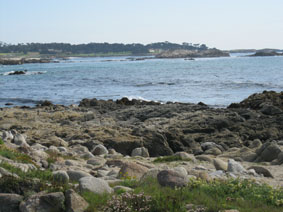
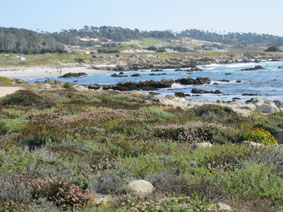
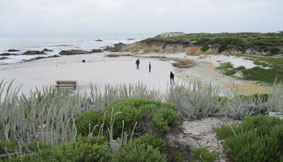
Cypress Point; coast with golf courses lined by expensive homes
 .
.  .
. 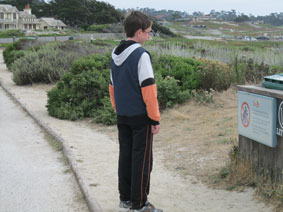
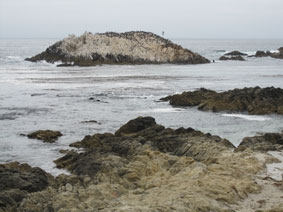
A beach, Bird Rocks, and Greggy reading a sign
 .
.  .
. 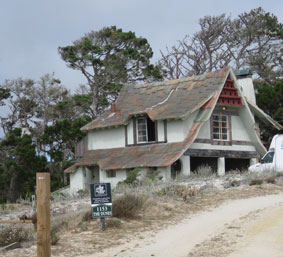
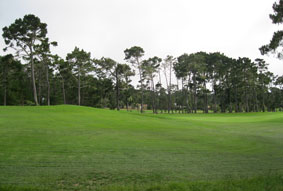
Golf course; sand dunes, golf course and coast; picturesque house from
1940s now being restored
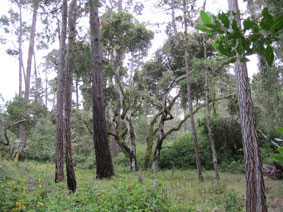
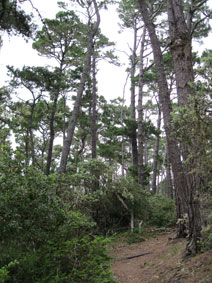
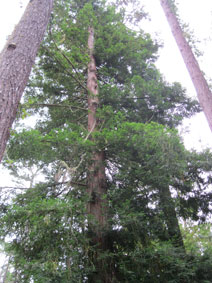
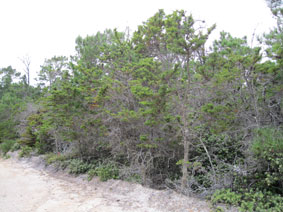
I used to ride horses through the trails in the Del Monte Forest when I was
in high school. This time I explored some of the same trails on foot. One
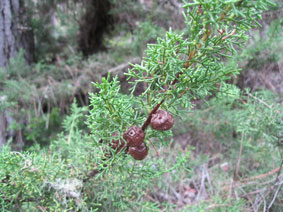
trail looped through the S.F.B.Morse Botanical Reserve of Monterey pine
forest and scrub with a few redwoods and the very rare and localized Gowen
cypress.
 .
. 
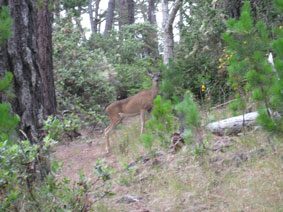
The first thing I encountered was deer on the trail. Some of the area
looked like it had experienced a forest fire, a real danger here.
 .
.  .
. 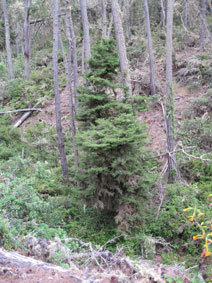
Monterey pine (Pinus radiata),
Coast
Redwood (Sequoia sempervirens)
and Gowen cypress (Cupressus goveniana)
 .
. 
Young Gowen cypress
 .
.  .
. 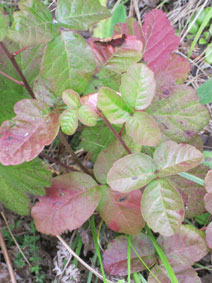
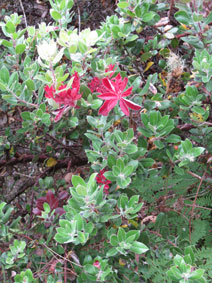
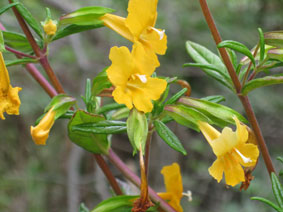
Manzanita, monkey flower and poison oak added color to the vegetation
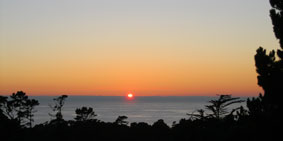 sunset from our living room window
Big Sur
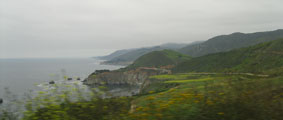
The Big Sur coast south of Carmel along Highway 1 is steep and spectacular,
with coast redwood groves in narrow valleys.
 .
. 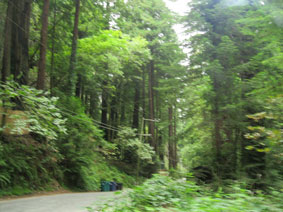
Big Sur coast, and redwoods in Palo Colorado canyon
 .
. 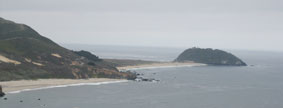
Big Sur coast and Point Sur
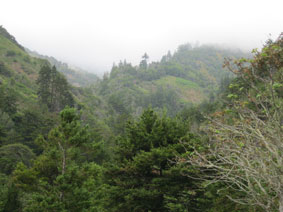
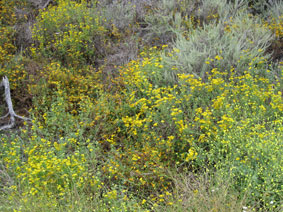
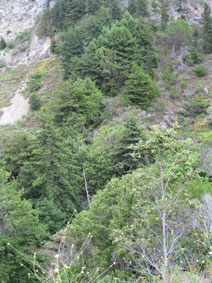
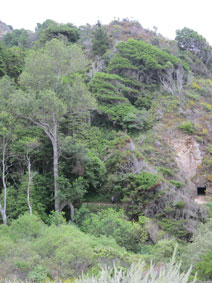
We hiked down an old mining trail through a tunnel to where boats used to
load the ore in calm weather.
 .
.  .
. 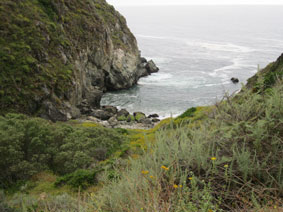
The canyon we walked down, abundant wildflowers, and the bay at the
bottom of the canyon
 .
.  .
. 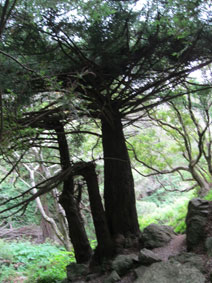
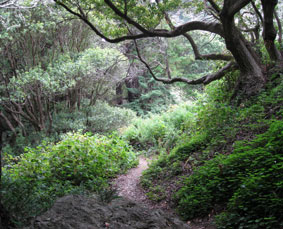
Trees struggle for a foothold on the steep slopes, and are twisted by
the strong sea wind
 ,
, .
. 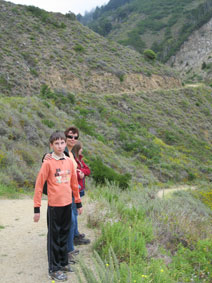
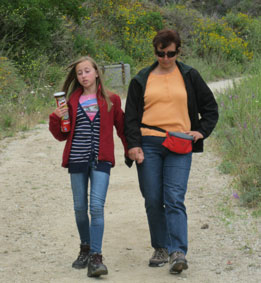
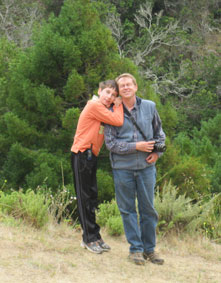
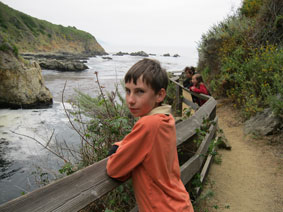
Joyce, Emi, Greggy, and Greg on the trail (Mina came later)
 .
.  .
. 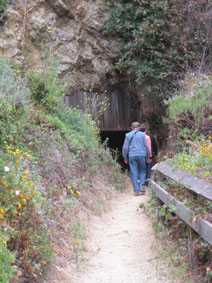
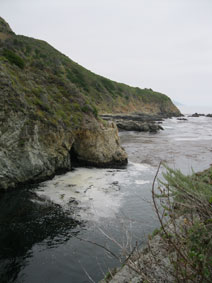
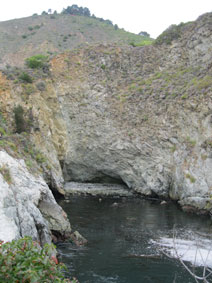
The narrow inlet where boats loaded ore, and the tunnel to the
landing
 .
.  .
. 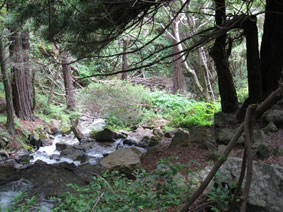
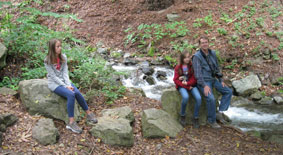
Greggy, Emi and Joyce at the landing. The creek at the bottom of the
canyon provided a little shelter.
 .
. 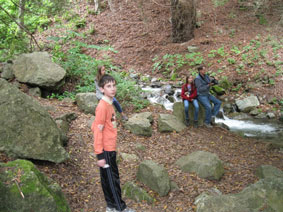
Mina, Joyce, Greg and Greggy by the creek
 .
.  .
. 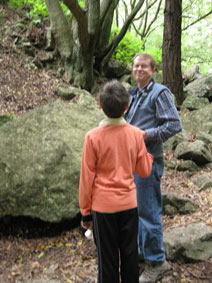
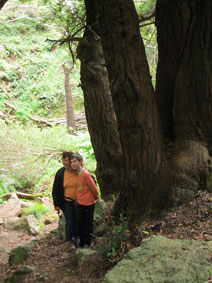
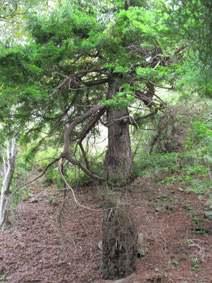
Emi, Greggy and Greg. The redwoods were stunted, and some had grown
back from logged stumps.
FRANCE - DEVIL'S
BRIDGE
The end of August was a special time for Bahá'ís in France and Switzerland,
as we commemorated the centenary of the visit of 'Abdu'l-Bahá, son of the
founder of the Bahá'í Faith, to Thonon-les-Bains and Geneva. The Swiss
community held a weekend commemoration in Geneva with nearly 500 in
attendance, which included a field trip to the Devil's Bridge, in the gorges
of the Drance River behind Thonon, which was visited by 'Abdu'l-Bahá in
1911. The French Bahá'í Summer School, with over 500 participants, was held
the same week in Evian-les-Bains just up the lake from Thonon, where I
taught a junior youth class and gave an evening presentation on 'Abdu'l-Bahá
as an environmentalist. See the separate page on the visit to the Gorges
of the Devil's Bridge.
GERMANY
At the beginning of September, I took the train to Bonn, Germany, for a UNEP
Global Consultation with Civil Society on Rio+20, and a UNEP European
Regional Consultation, where we also had a partial meeting of the UNEP Major
Groups and Stakeholders Advisory Group on International Environmental
Governance that I co-coordinate. This was immediately followed by the 64th
UN Department of Public Information Non-Governmental Organization (DPI/NGO)
Conference, with over 2000 participants. The Bahá'í International Community
organized a workshop on "Making the Invisible Visible: Values and the
Transition to Sustainable Consumption and Production", and I was rapporteur
for a UNEP workshop on "Assessing Stakeholder Participation in International
Environmental Governance Processes". The International Environment Forum
governing board also met with the BIC representatives to discuss our
strategy for Rio+20 next year.
 .
. 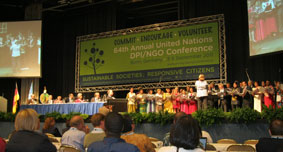
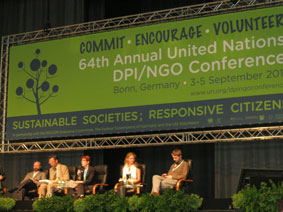
A DPI panel session, and the closing session with international choir
PORTUGAL
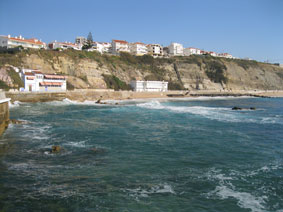
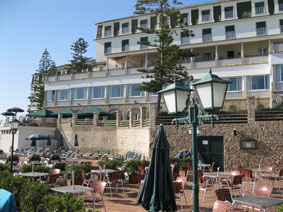
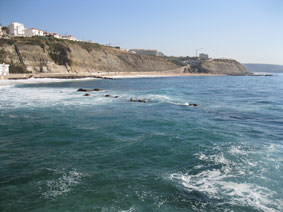
The European Bahá'í Business Forum held its annual conference in early
October in the fishing village of Ericeira, now a tourist centre, on the
Portuguese coast north of Lisbon. It is always inspiring to see how business
leaders are applying spiritual values to transform how business operates and
to make work more meaningful. The beachfront hotel had both fresh and
saltwater pools, and the weather was nice enough to take a swimming break
each day. We also had a meeting of the EBBF Governing Board after the
conference.
 .
.  .
. 
MONTENEGRO
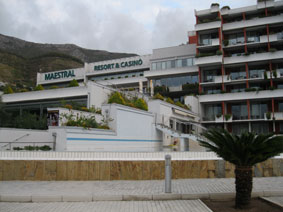
The European Centre for Peace and Development, of the United Nations
University for Peace, based in Belgrade, organizes an annual conference on
Reconciliation, Religious Tolerance and Human Security in the Balkans, with
the theme this year the "New Balkans and European Union Enlargement". The
conference was held on 21-22 October in the beachside tourist centre of
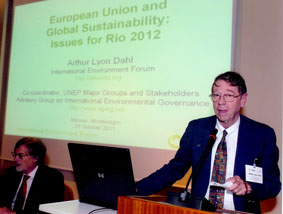
Milocer, Montenegro, where we also met three years ago. I gave a paper on "European
Union and Global Sustainability: Issues for Rio 2012". The conference
attracts political and religious leaders and academics from across the
region and internationally.
Conference hotel
 .
.  .
. 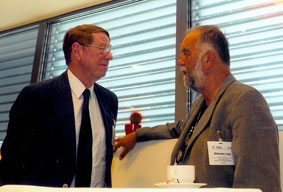
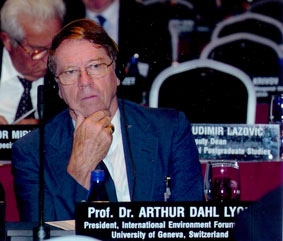
Presenting my paper at the conference; there were opportunities for
networking
 .
.  .
. 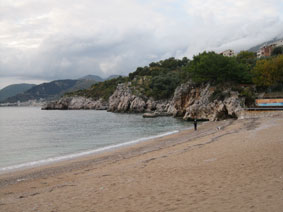
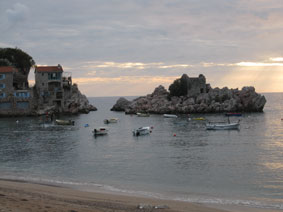
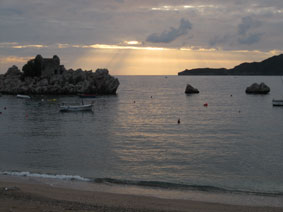
Views from the hotel, and the hotel beach
BUDAPEST, HUNGARY
 On
16-19 November, I attended the World Science Forum in Budapest, representing
the International Environment Forum. This high-level biennial event to
discuss the changing world of science is organized by the Hungarian Academy
of Sciences in partnership with UNESCO and the International Council for
Science (ICSU). It is described as the "Davos" of science, attended by
presidents of academies of science, Nobel prize laureats, ministers and
other leading figures in the world of science, by invitation only. It met in
the beautiful building of the Hungarian Academy of Sciences on the banks of
the Danube, and in the Hungarian Parliament upper chamber. Because of a
flight cancellation, I had to spend extra time in Budapest, so I gave a
lecture at the Central European University, met with professors there, spent
an evening with some Baha'is, and visited museums, including the Hungarian
National Museum where 'Abdu'l-Bahá spoke in 1913.
On
16-19 November, I attended the World Science Forum in Budapest, representing
the International Environment Forum. This high-level biennial event to
discuss the changing world of science is organized by the Hungarian Academy
of Sciences in partnership with UNESCO and the International Council for
Science (ICSU). It is described as the "Davos" of science, attended by
presidents of academies of science, Nobel prize laureats, ministers and
other leading figures in the world of science, by invitation only. It met in
the beautiful building of the Hungarian Academy of Sciences on the banks of
the Danube, and in the Hungarian Parliament upper chamber. Because of a
flight cancellation, I had to spend extra time in Budapest, so I gave a
lecture at the Central European University, met with professors there, spent
an evening with some Baha'is, and visited museums, including the Hungarian
National Museum where 'Abdu'l-Bahá spoke in 1913.
 .
.  .
. 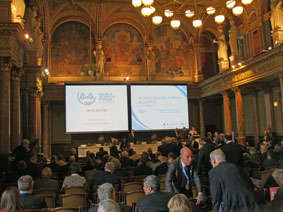
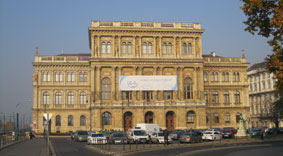
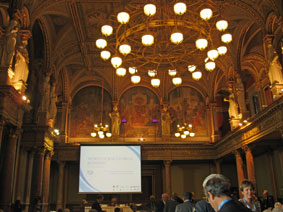
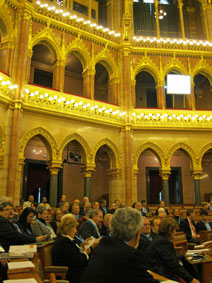
Hungarian Academy of Sciences, on the Danube, and the Ceremonial Hall
where the World Science Forum met the first two days
 .
.  .
. 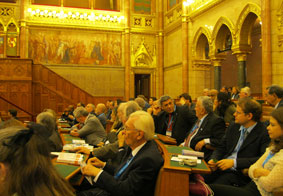
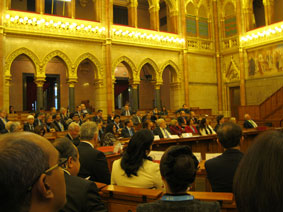
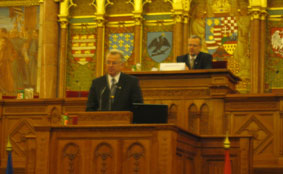
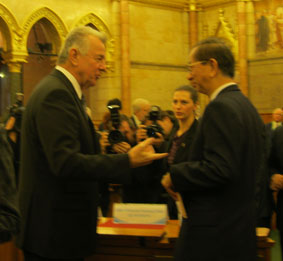
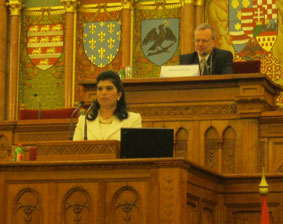
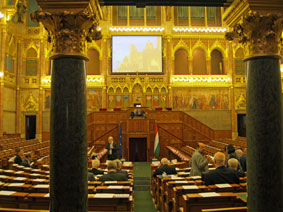
The final day of the World Science Forum was held in the upper
chamber of the Hungarian Parliament
 .
.  .
. 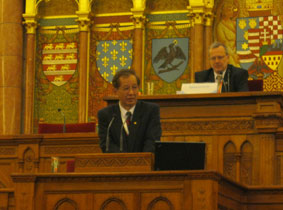
Keynote speakers included Pál Schmitt, President
of Hungary and Nobel laureate Yuan Tseh Lee, President of ICSU
 .
.  .
. 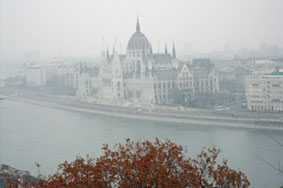
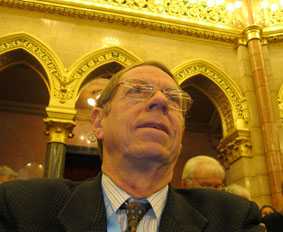
HRH Princess Sumaya bint El Hassan of Jordan also spoke. Center: me
in the parliament. Right: the Parliament Building on the Danube.
 .
. 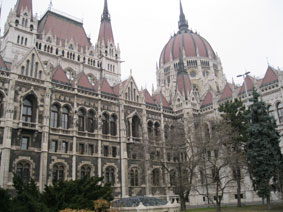 .
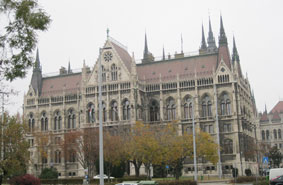
. 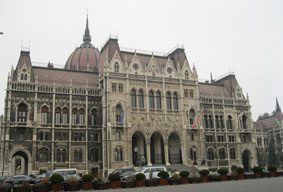
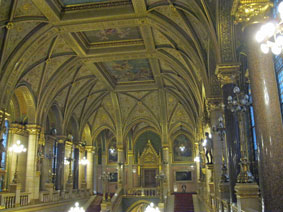
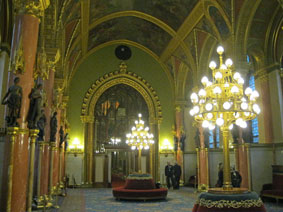
The Hungarian Parliament was completed in 1906 in neo-gothic style
 .
.  .
. 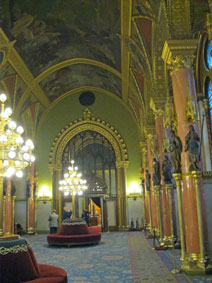
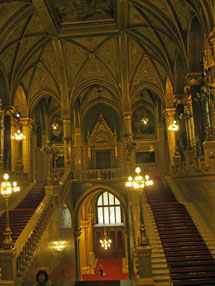
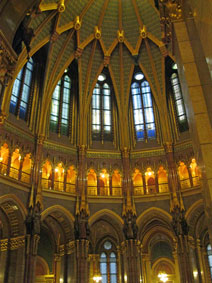
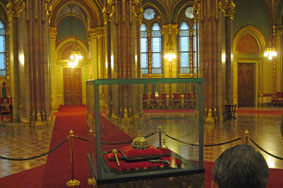
The interiors of the Parliament Building are very ornate
 .
.  .
. 
 .
.  .
. 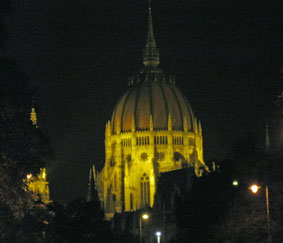
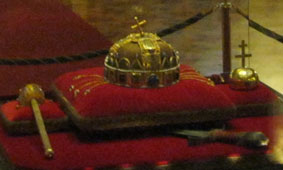
The symbols of Hungarian sovereignty, including the crown of St.
Stephan, are on display. The Parliament dome at night.
 .
.  .
. 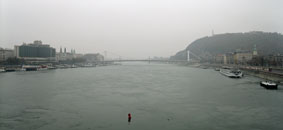
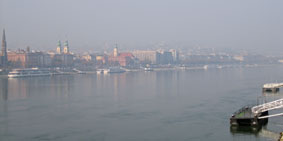
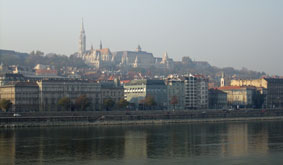
Buda is on one side of the Danube, and Pest on the other
 .
.  .
. 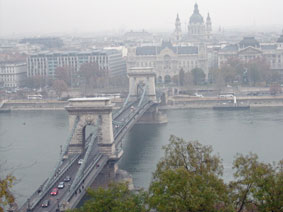
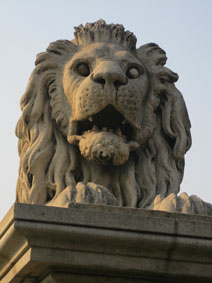
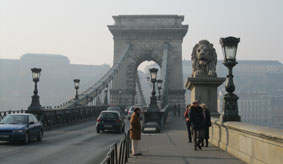
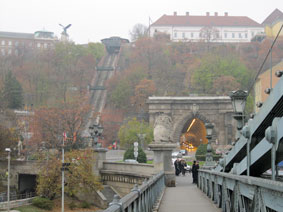
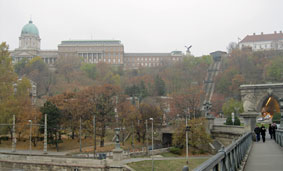
The Chain Bridge was the first to link the two cities. A tunnel goes
under Buda Castle and a funicular railway goes to the top. The view of
Pest is spectacular.
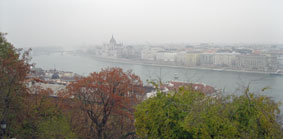 .
. 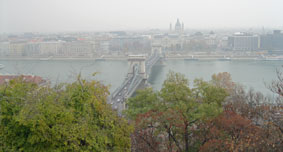 .
. 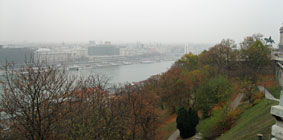
Views of Pest across the Danube from the heights of Buda Castle
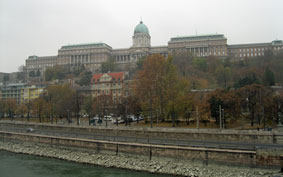 .
.  .
. 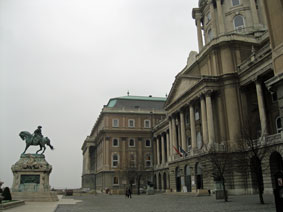
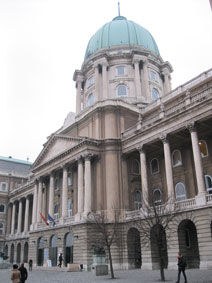
The Hungarian National Gallery in Buda Castle features Hungarian art
 .
.
 .
. 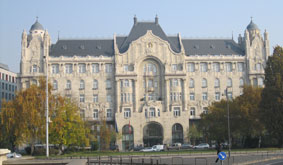
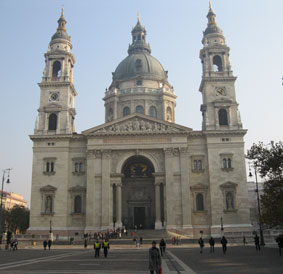
The Hungarian National Gallery in Buda Castle. St. Stephan's Basilica
in Pest. The art nouveau Gresham Hotel facing the Chain Bridge.
 .
.  .
. 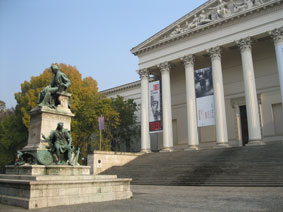
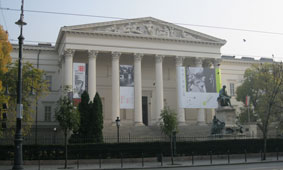
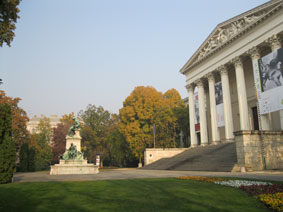
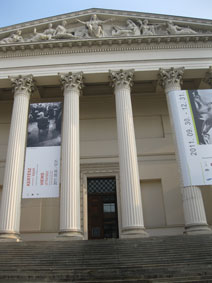
The Hungarian National Museum in Pest traces the history of Hungary.
It also had a wonderful temporary exhibit of the Hungarian/American
photographer André Kertész (1894-1985).
 .
.  .
. 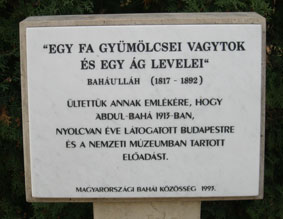
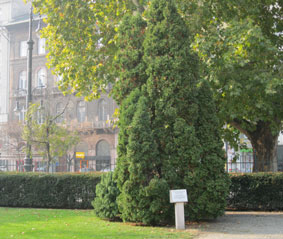
'Abdu'l-Bahá walked up these stairs to speak in the Museum in 1913; a
plaque across from the entrance commemorates His visit.
It starts: "The earth is one country and mankind its citizens" Bahá'u'lláh
(1817-1892)
 .
. 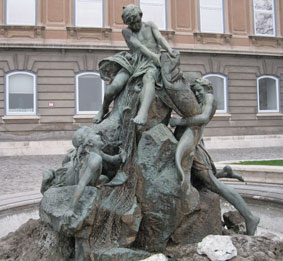
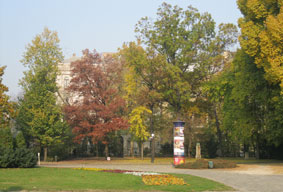
There are lovely gardens with fall colours, and sculptures everywhere
 .
.  .
. 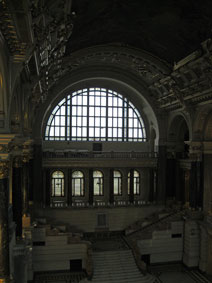
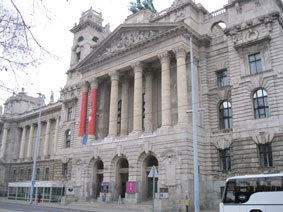
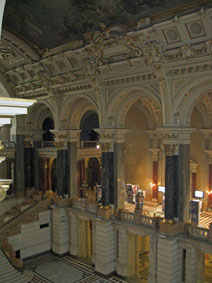
The Museum of Ethnography is across from the Parliament. It is
grandiose but rather old-fashioned, and reminded me of my days as a museum
curator at the Smithsonian Institution.
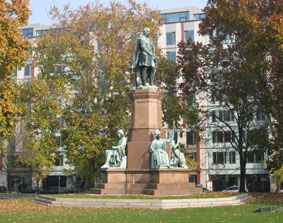 .
. 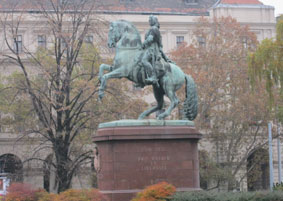 .
. 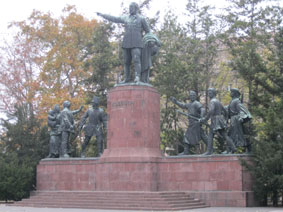
There are statues featuring Hungarian patriots
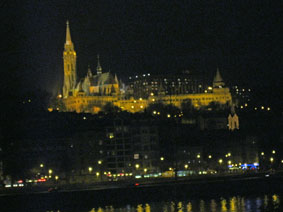 .
.  .
. 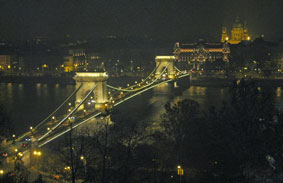
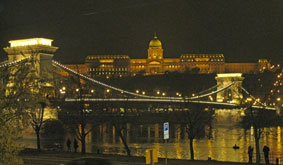
Budapest is particularly beautiful at night
NETHERLANDS
The United Nations University Institute of Advanced Studies and the
Copernicus Alliance (European Network on Higher Education for Sustainable
Development) organized a workshop on University Appraisal and
Assessment for Sustainable Development at Rolduc Abbey, a 900 year old
former monastery in Kerkrade, The Netherlands, on the German border between
Maastricht and Aachen. I was invited as a panelist to share the ESDinds
experience with values-based indicators, but finally ended up giving the
opening keynote on value assessment in work of higher education. The speaker
immediately after was a former Prime Minister of the Netherlands.
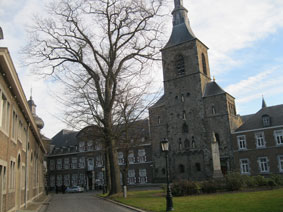
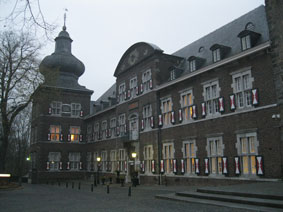
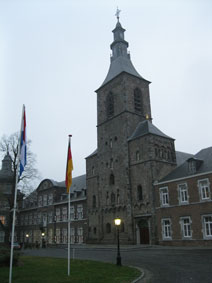
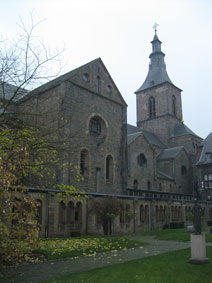
The Rolduc Abbey is probably the oldest institution of higher education in
Europe, founded in 1106. It has been a monastery, a seminary and a boarding
school, and continues to host a seminary as well as a hotel/conference
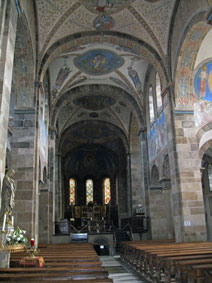
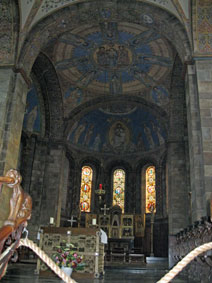
centre. The romanesque church in its centre dates back to its founding.
 .
.  .
. 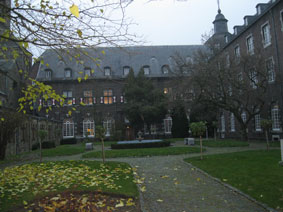
Outer courtyard of Rolduc Abbey, the hotel/conference centre, and the
inner courtyard with cloister
 .
.  .
. 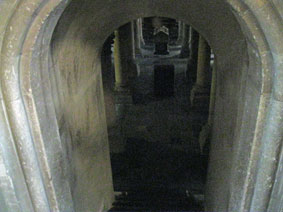
The Romanesque church built 1106-1205, and its crypt with the
remains of the founding monk
 .
.  .
. 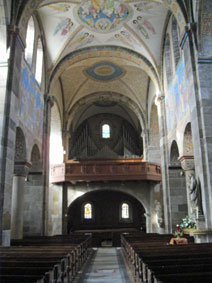
Interior of the Romanesque church
 .
. 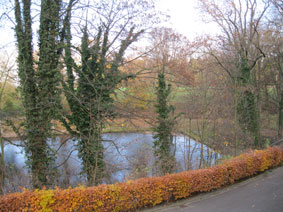
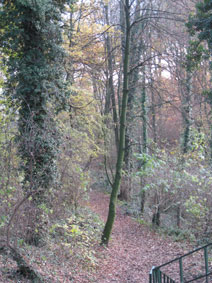
The Abbey is surrounded by a green belt and forest separating it from
the towns on either side
AUSTRALIA
The International
Environment Forum held its 15th Annual Conference in Hobart, Tasmania,
Australia on 9-11 December 2011. As President of IEF, I made the effort to
fly to Hobart for the conference, my first visit to Tasmania. The conference
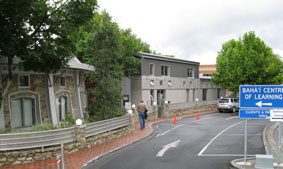
was held in the Bahá'í Centre of Learning for Tasmania, a very ecological
building on the historic site of the Hobart Railway Station. I gave an
opening public lecture Friday night, spoke on a panel and led a workshop.
The conference was a great success, thanks to our Australian members and the
Bahá'í community of Australia.
 .
.  .
. 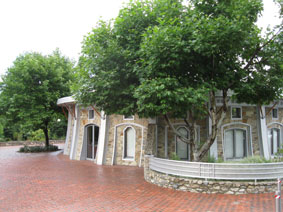
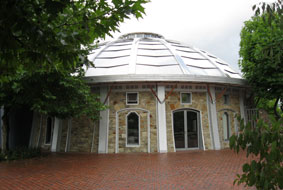
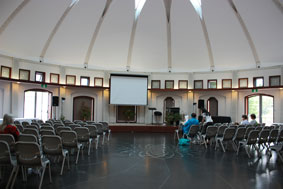
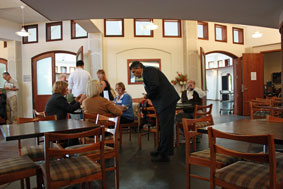
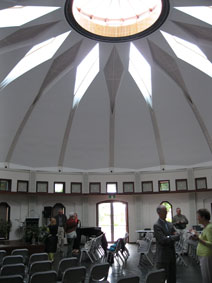
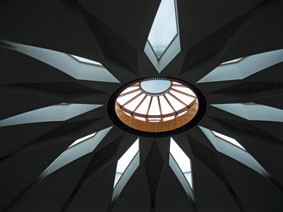
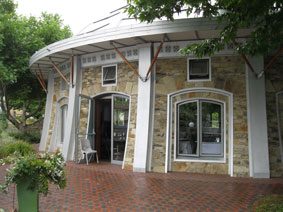
The BCL has a domed central auditorium with two radiating wings of
meeting rooms and offices around a central courtyard
 .
.
 .
. 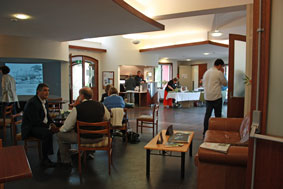
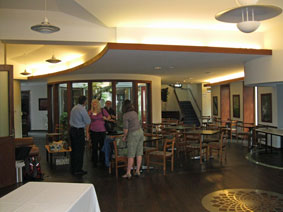
Outside the auditorium is a large lobby and exhibit area
 .
.  .
. 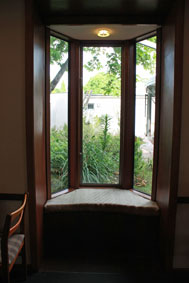
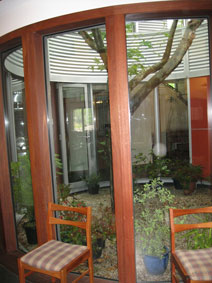
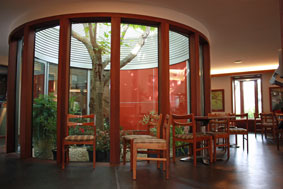
The building uses ecological materials and natural lighting; a
central atrium preserves an established tree on the property
 .
.  .
. 
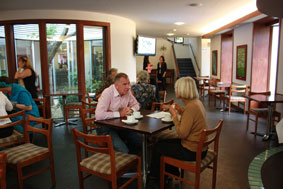
There is a popular public coffee shop in the lobby
 .
.  .
. 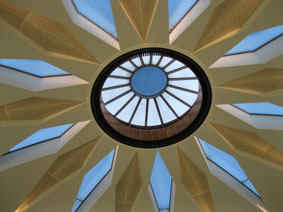
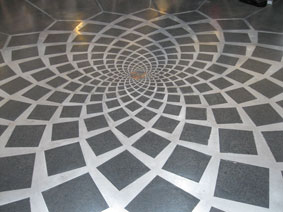
There are beautiful designs in the dome and the flooring
 .
.  .
. 
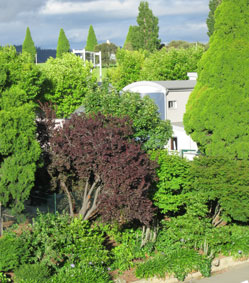
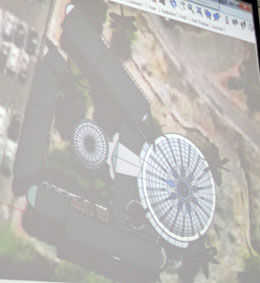
The property is surrounded by greenspace and landscaped
with native Tasmanian plants; architect's aerial view of the BCL
International Environment Forum 15th Annual Conference
 .
.
 .
. 
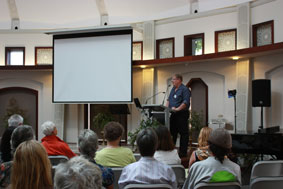
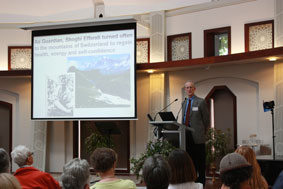
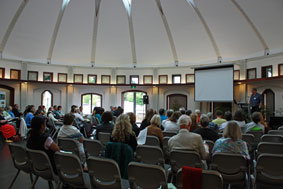
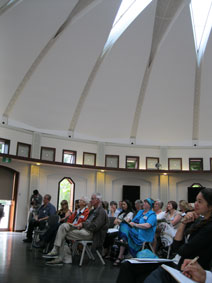
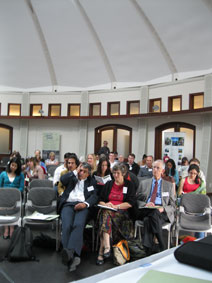
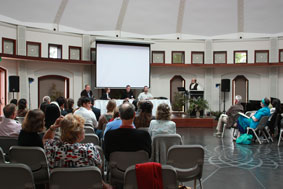
The International Environment Forum conference in the main
auditorium; IEF board member Peter Adriance gave the opening keynote
 .
.  .
. 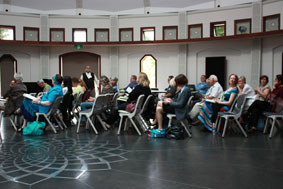
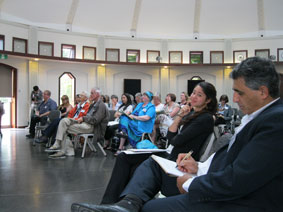
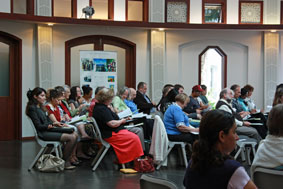
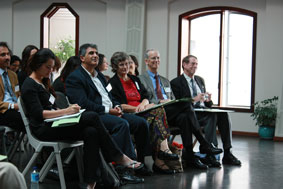
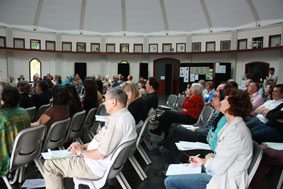
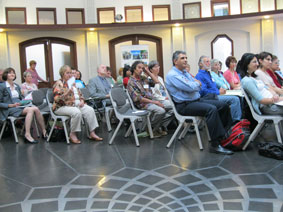
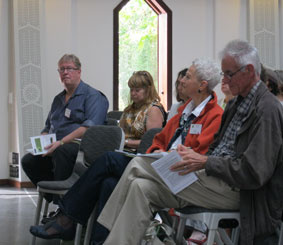
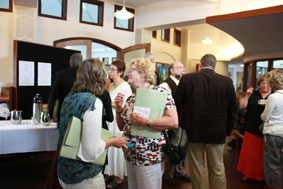
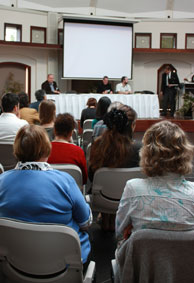
The audience came from around Australia, New Zealand, and other
countries
 .
.  .
. 
 .
.  .
. 
 .
.  .
. 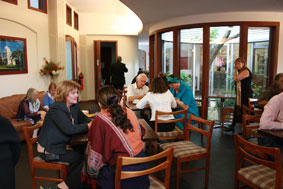
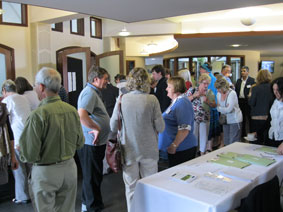
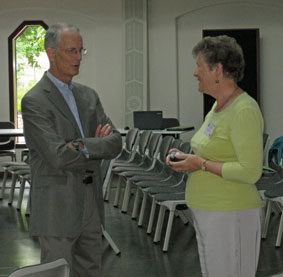
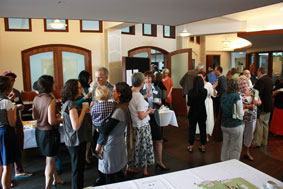
The breaks were a chance to meet people and to discuss the issues
 .
.  .
. 
 .
.  .
.  .
.  .
.
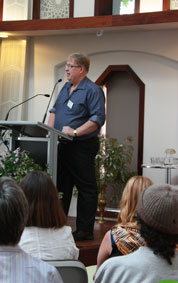
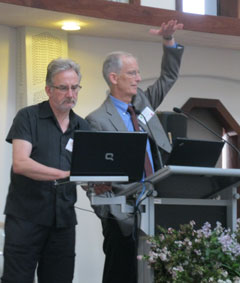
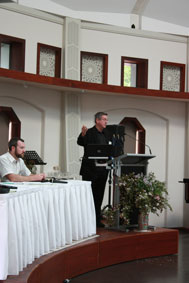
Former IEF board member Charles Boyle chaired the first day; Peter
Adriance (USA) was keynote speaker, with Kevin Starke providing technical
assistance
 .
.  .
. 
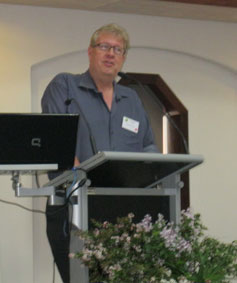
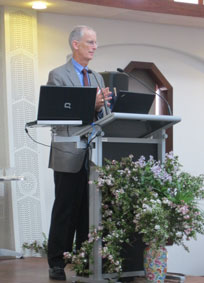
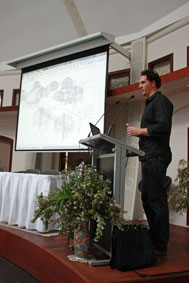
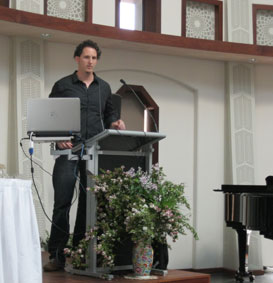
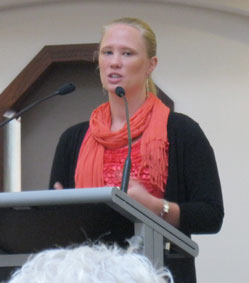
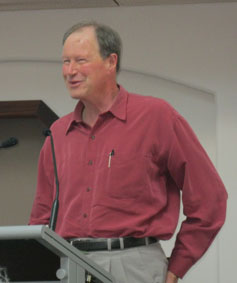
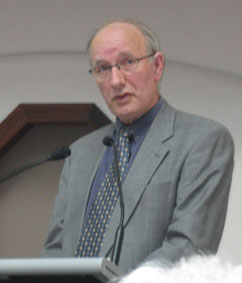
BCL architect Stuart Hall described the unique environmental features
of the building; IEF president Arthur Dahl speaking
 .
.  .
. 
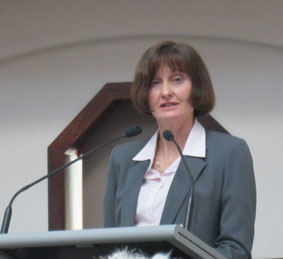
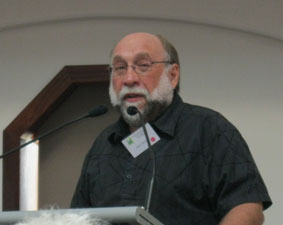
Second day chair Zarin Salter; keynote speaker Counsellor Tessa
Scrine (Australia); panel moderator John Davidson
 .
.  .
. 
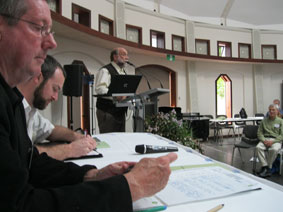
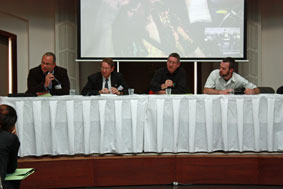
Speakers Al Riebau, Australian climate scientist Tony Press and
journalist Peter Boyer
 .
.  .
. 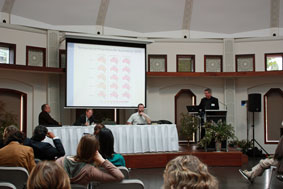
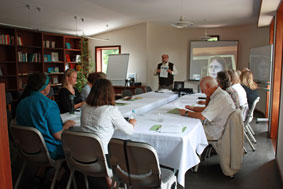
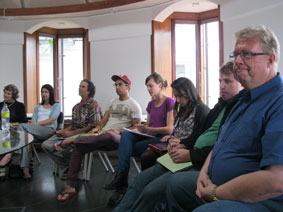
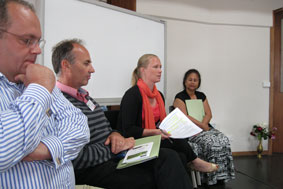
There were panel sessions with multiple speakers
 .
.
 .
. 
Workshops allowed for more participation. Workshop leaders included
(left): Al Riebau and Christine Muller (by skype from the USA); (right):
Zarin Salter
 .
.  .
. 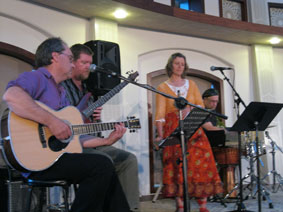
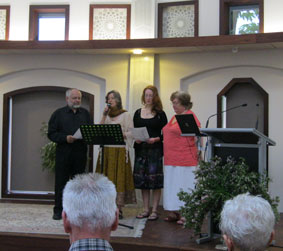
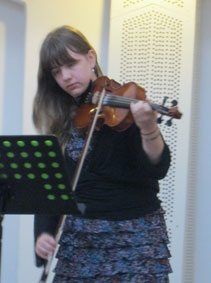
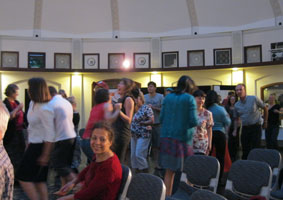
There was excellent music including traditional Tasmanian themes; the
Saturday evening musical programme with the Bryan band had people dancing
in the aisles
 .
.  .
. 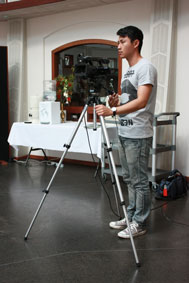
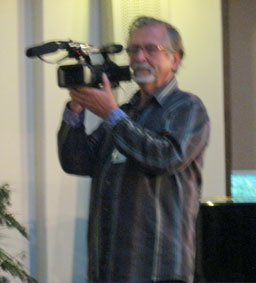
Dancing Saturday night; Ken Zemke (NZ) and his assistant filmed the
conference for television
The conference was streamed live on the internet for members around the
world. For a full report and recordings of the IEF Conference, see the IEF
web site
Photographs by Arthur Dahl and
Corinne Podger
DIJON, FRANCE, BAHA'I
TRAINING INSTITUTE
On the week between Christmas and New Year's Day, I went to Dijon for a
Bahá'í Training Institute offering intensive courses in the Ruhi Books used
around the world for study circles, children's classes and junior youth
activities. Ten different courses were offered and 190 people including over
100 youth attended. I took Book 5 on animating activities for pre-youth ages
11-14, the one book in the series that I had not yet done. There were 30 in
our group, and we completed the main course and two supplementary books in 5
1/2 days. The first two evenings there were creative workshops on music,
dance, singing, acting, and one I co-organized with Julien Garenne on
environment and infographics (using images and video to communicate Bahá'í
environmental texts). There was an evening performance on the centenary of
'Abdu'l-Bahá's visit, an evening on year-of-service opportunities, and a
final evening presenting the results of all the creative workshops, followed
by a dance welcoming the Gregorian New Year. A few youth stayed up all night
and taught the night clerk at the conference centre, who joined the Bahá'í
Faith. Needless to say, the spirit of the week was fantastic.
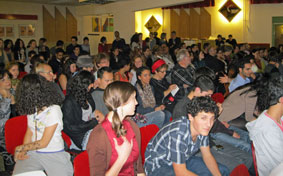
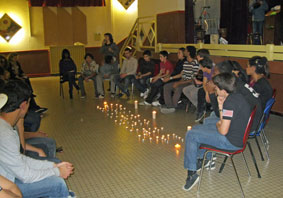
Each morning and evening programme started with devotions organized by the
participants from a region.
 .
.  .
. 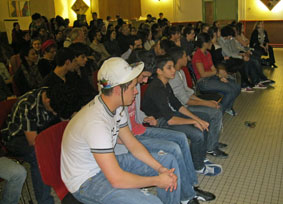
Devotions in the main auditorium before the evening programme
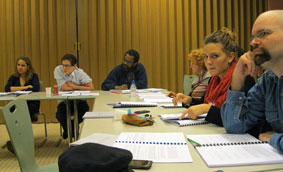
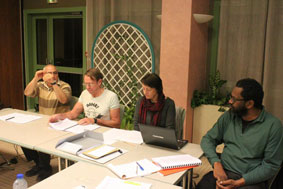
Our group for Book 5 was one of the largest, with people of all ages. Sabine
Faranpour and Mitch Tran were our tutors. Counsellor Bernard LoCascio joined
us for part of the time.
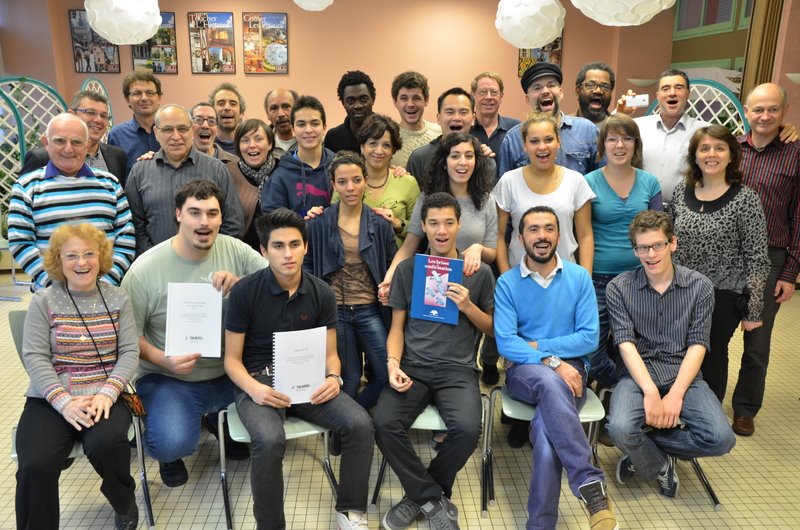
The Book 5 group
 .
.  .
. 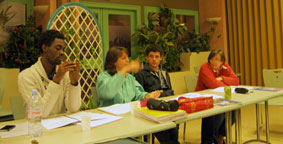
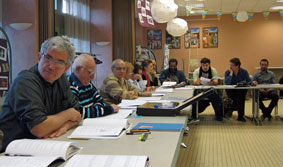
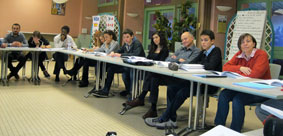
We worked at least 9 hours a day
 .
.  .
. 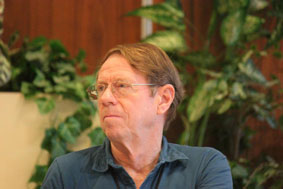
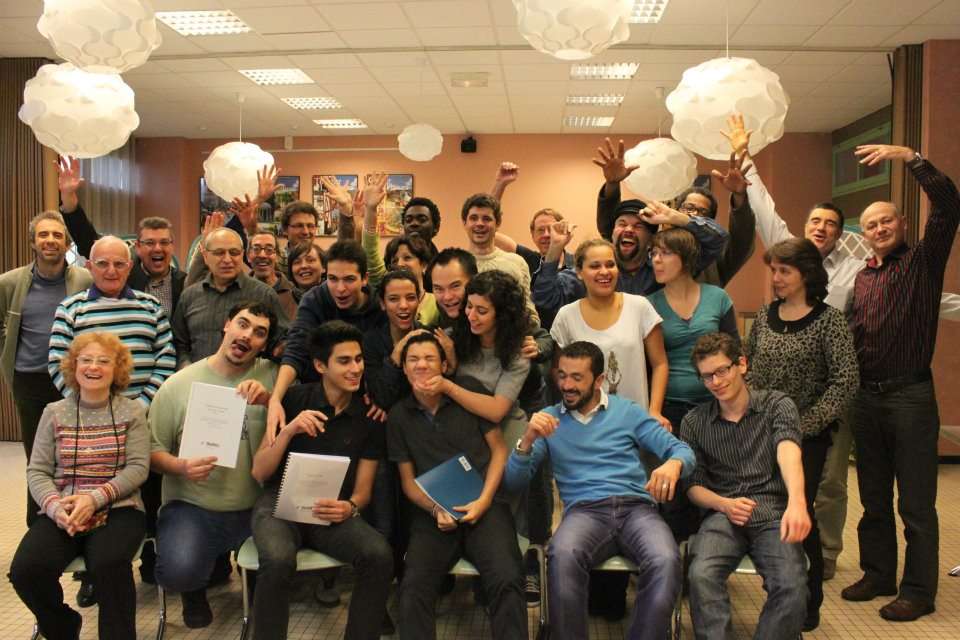
We were all happy when we finished. Mehdi (in the blue sweater)
declared his faith in Bahá'u'lláh at the end of the week.
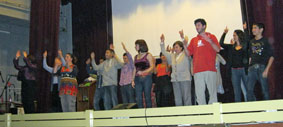
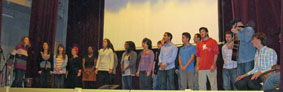
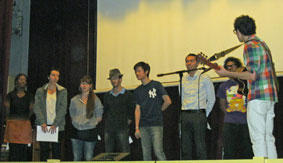
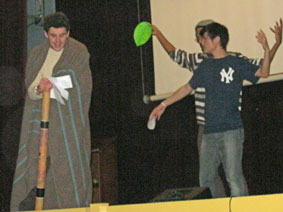
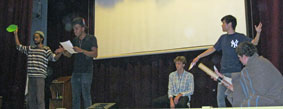
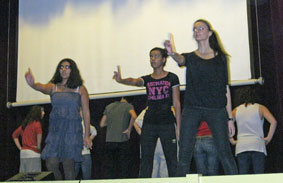
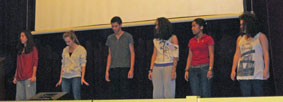
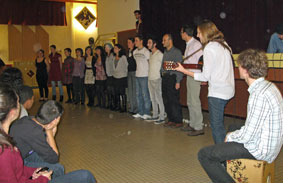
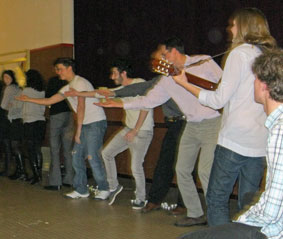
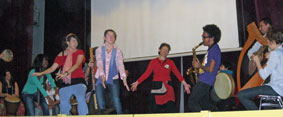
The presentations of the artistic workshops on the last night brought out
the amazing talents in the participants.
 .
.  .
. 
Singing and slam composition
 .
.  .
. 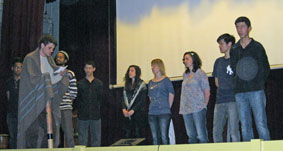
Theatre
 .
.  .
. 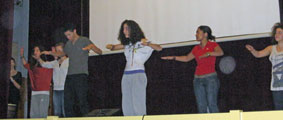
Dance
 .
.  .
. 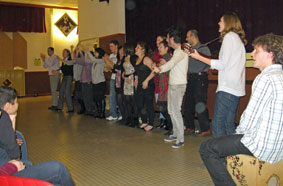
More singing
 .
.  .
. 
Instrumental music
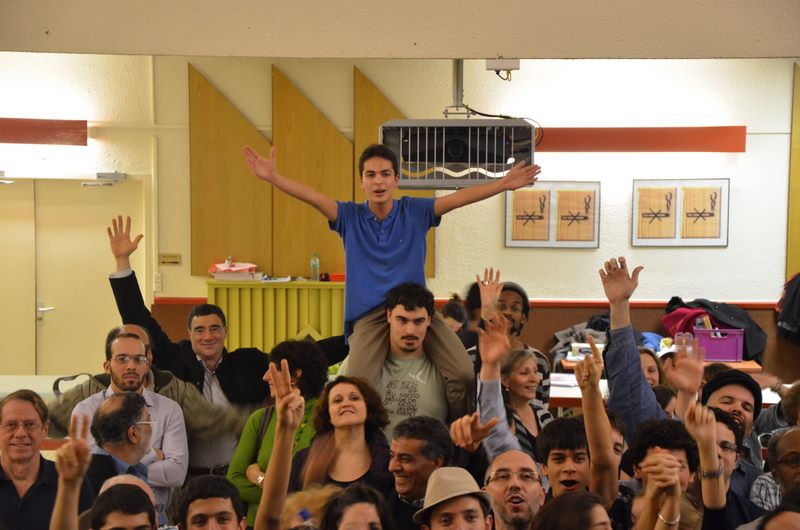
The spirit coundn't have been higher (I am on the left)
Everyone left with new skills and renewed dedication to implement institute
activities in their own areas.
See also the facebook photo album for larger versions of most of these
pictures: http://www.facebook.com/media/set/?set=a.10150574086114810.449560.677254809&type=1