In addition to short trips for conferences and seminars to Rome, Acuto
(Italy), England and other places, my major trips for the year began in
February with a nine-day pilgrimage to the Bahá'í Holy Places in and
around Haifa, Israel, my first visit since 1972 (see separate page). While
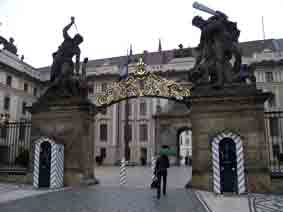
in Prague in late May for a meeting on our values-based indicators
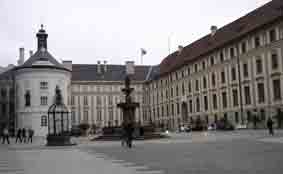
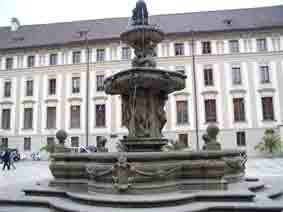
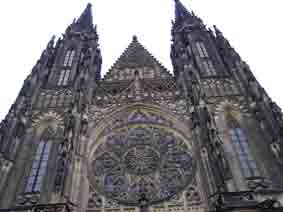
project, the group took a little time to visit the gardens of Prague
Castle. From there I went immediately for a week to India with a chance to
spend three days in a remote village. In June I had another trip to
Brighton (UK) and in July I spent two weeks with my brother Greg and his
family in Bulgaria, mostly on the Black Sea coast. Most of August I was in
Quebec visiting my son Alex and his family. In September I went twice to
the Netherlands for a meeting of the Partnership for Education and
research for Responsible Living (PERL) and the annual conference of the
European Baha'i Business Forum. There were two more working trips to
Brighton in the fall, along with another ECPD conference in the Brioni
Islands, Croatia (see last year for more pictures) and a Baha'i institute
in the French Alps, with a chance to climb up to a high alpine lake after
the first early snow. December was our International Conference on
values-based indicators in Brighton, combined with the annual conference
of the International Environment Forum. For a complete report of that
conference, including videos and photo album, see https://iefworld.org/conf14.html.
ISRAEL
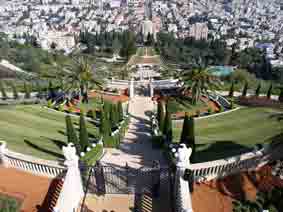
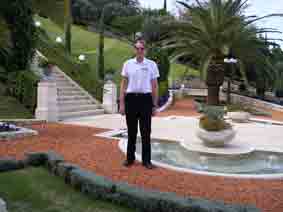
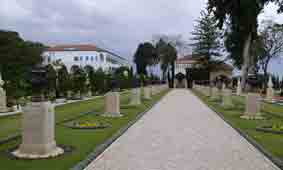
For my wonderful pilgrimage to Haifa and Akka in February, see the separate
page on my Pilgrimage.
 .
.  .
. 
PRAGUE, CZECH REPUBLIC
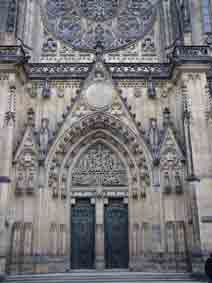
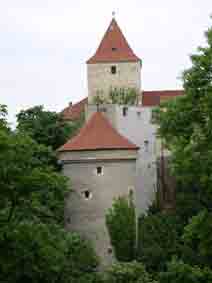
Prague Castle
 .
.  .
. 
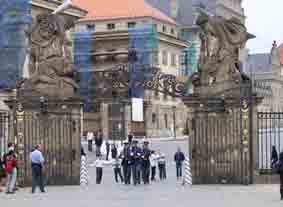
Main gate
 .
.  .
. 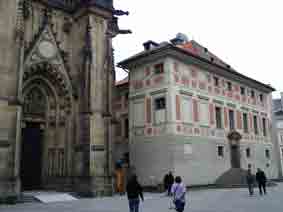
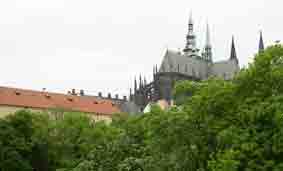
A gothic church is inside the castle walls
 .
.  .
. 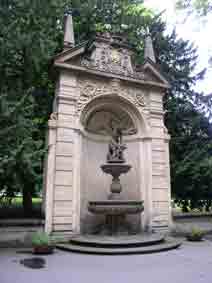
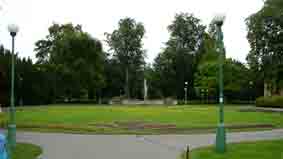
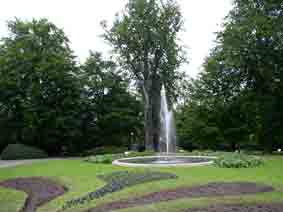
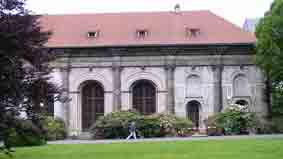
Behind the castle are beautiful castle gardens
 .
.  .
.
 .
. 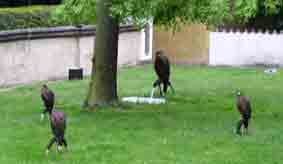
There is a royal gymnasium for sports, and falcons for falconry
 .
.  .
. 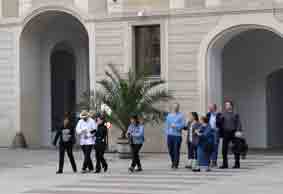
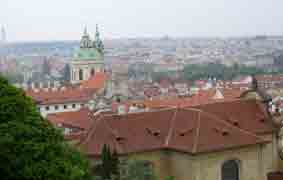
The changing of the guard, a view of Prague from the castle, and our
group for the ESD indicators project
 .
. 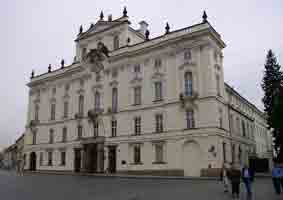
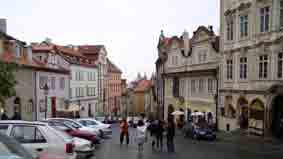
Streets of Prague
INDIA
I spent a week in India to teach the first module in a Certificate of
Advanced Studies in Sustainable Development and the Role of Technology,
organized jointly by EPFL (the University of Technology in Lausanne) and the
Indian Institute of Science in Banglore (the Tata Institute). We took the
students for three days to live in rural villages, to see the reality of
rural life and the challenges of technology transfer. I was fortunate to go
with a group to the village of C.K. Pura, 170 km from Bangalore in Karnataka
State, where our host, P.R. Sheshagiri Rao, is an environmental scientist
who returned to his village 20 years ago to work on the problems of rural
India while maintaining an international scientific career. He was able to
introduce our participants to many people representing the major dimensions
of village life.
 .
. 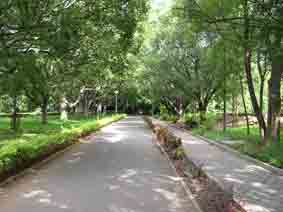
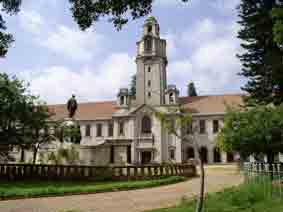
Indian Institute of Science, main building and park-like campus
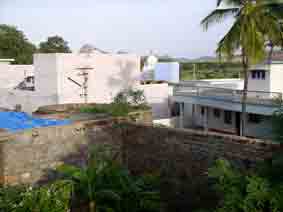
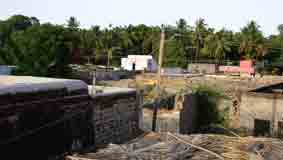
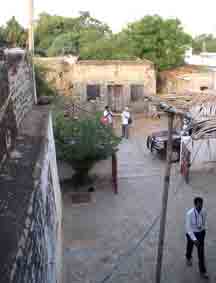
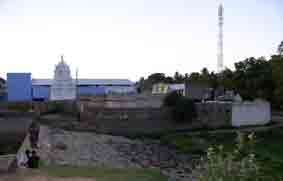
C.K. Pura Village, Karnataka State
 .
.  .
. 
 .
.  .
. 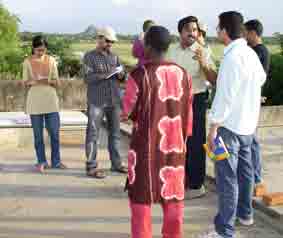
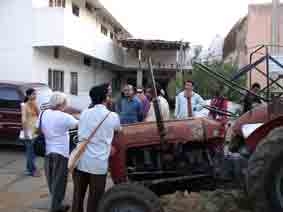
Even the remote areas have towers for mobile phones. The students met
a variety of villagers
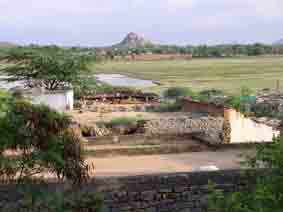
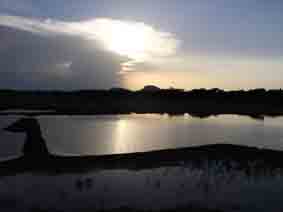
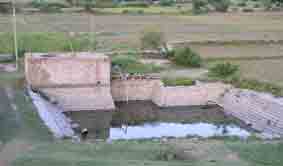
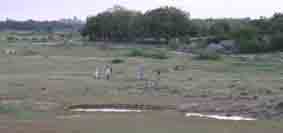
Water is the big problem in this drought-prone region. When the village was
established by Mr. Rao's ancestor 150 years ago, earthworks and dams were
built around the village to store water, but with agriculture spreading up
the watershed, there is less runoff and the "tanks" are mostly empty. Water
must be pumped from the water table more than 100 meters down, but
electricity is available only a few hours a day.
 .
.  .
. 
 .
. 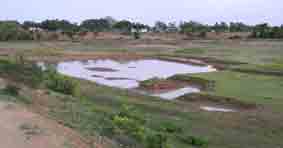
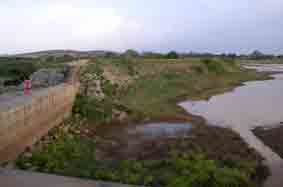
Even close to the dam, reservoirs are low. An expensive project to
remove silt behind the dam failed to increase the water available.
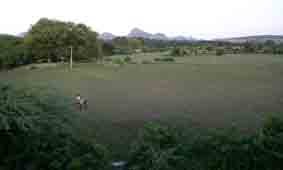
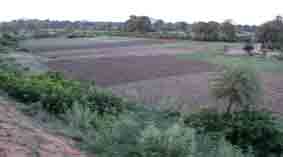
Agriculture has been dominated by groundnuts (peanuts) as a cash crop for
oil production, but its susceptibility to drought means that frequent crop
failures drive the farmers deeper into debt. Mr. Rao and his team are
researching alternatives like agroforestry.
 .
.  .
. 
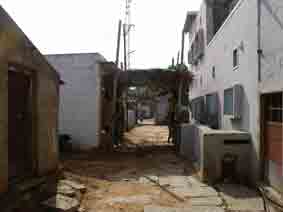
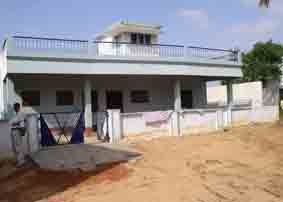
Rao house and compound
 .
.  .
. 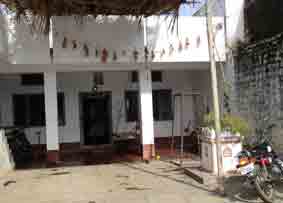
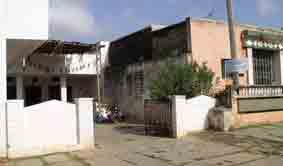
Gateway through the wall of the fortified compound; entrance to Mr.
Rao's house
 .
.  .
. 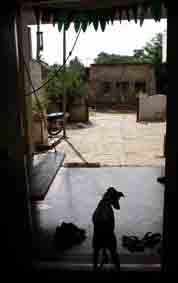
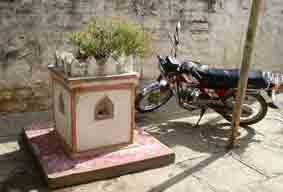
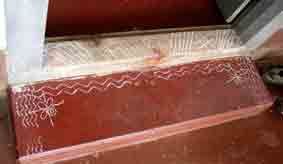
Every house has a Hindu shrine inside and often outside, and symbols
drawn in chalk on the threshold
 .
.  .
. 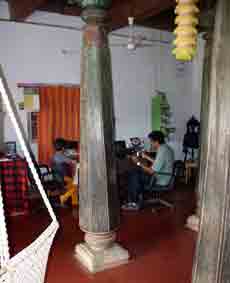
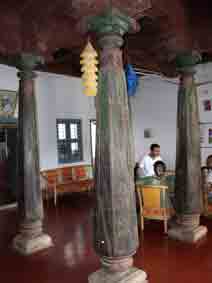
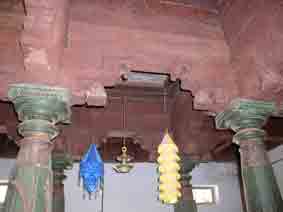
The main room of the old house has a traditional wooden ceiling and
four central posts
 .
. 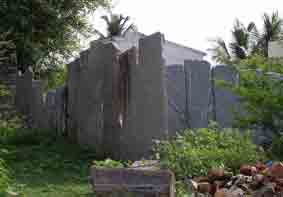
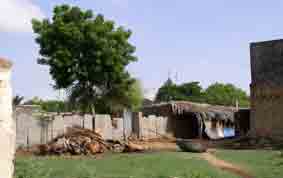
Behind the house are stable for buffalo; granite slabs are widely
used for fencing
 .
.  .
. 
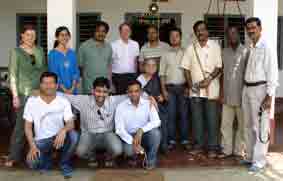
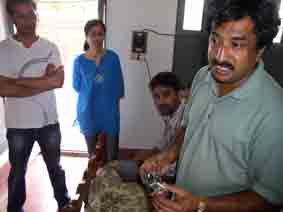
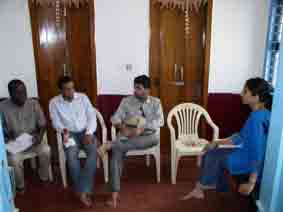
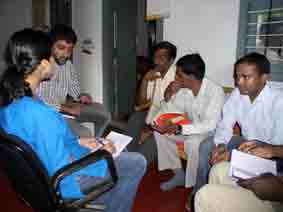
The group with our guides and interpreters; Mr. Rao explaining his
soil moisture monitoring programme; Mrs. Rao
 .
.  .
. 
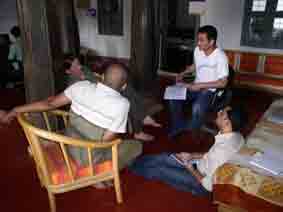
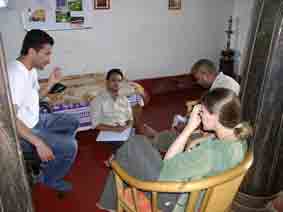
We slept on the floor in a house across the street. The students
worked hard preparing their assessments of village life
 .
.  .
. 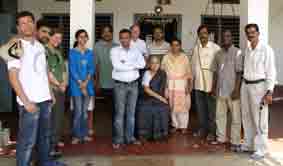
At the end of our stay, our group thanked the Rao family and our
guides and interpreters
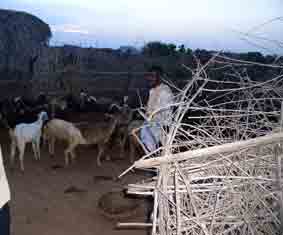
In another nearby village, a tribal group of shepherds migrate annually in
search of fodder, using mobile phones to find the next farm to graze their
sheep (farmers like this because it fertilizes their fields).
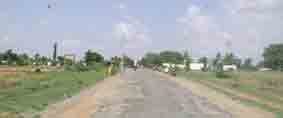
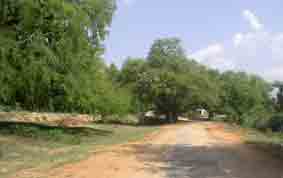
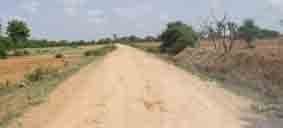
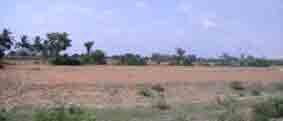
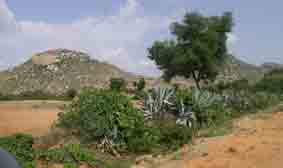
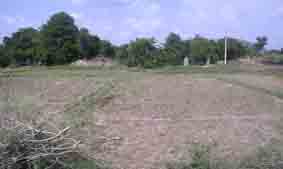
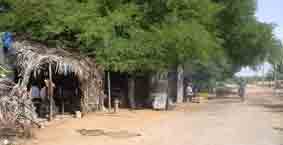
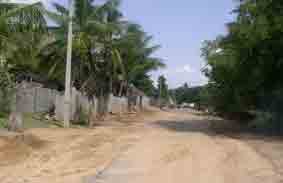
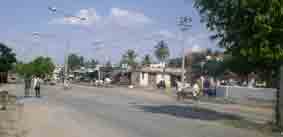
The trip back to Bangalore on difficult rural roads provided glimpses of the
Indian countryside
 .
.  .
. 
 .
.  .
. 
 .
.  .
. 
BULGARIA
In July I joined my brother Greg and his family in Blagoevgrad, Bulgaria,
and drove across Bulgaria to spend 10 days in his apartment in St. Vlas on
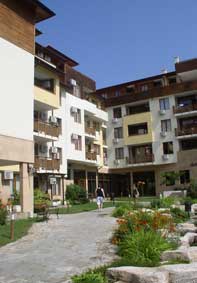
the Black Sea coast north of Burgas. The apartment is in The
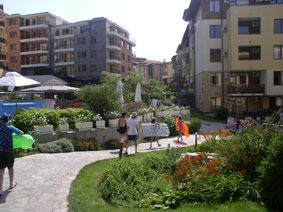
Garden of Eden, a hotel resort complex on the beach with three
restaurants, six swimming pools, and a market just below their apartment.
Apart from some work repairing and finishing the apartment, most of the time
we spent on the beach or in one of the resort swimming pools. I often
watched the kids while Greg and Emi shopped to finish equiping the
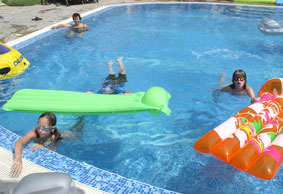
apartment. My nieces and nephew are good swimmers, so they spent a lot
of time in the water, or trying to stand upright on an air mattress which I
held for them. In the evening we played games or watched old films.
 .
.  .
. 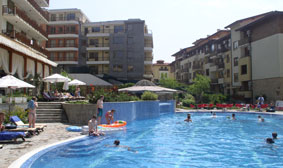
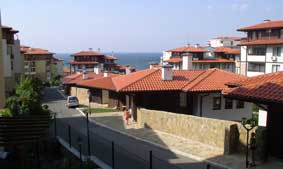
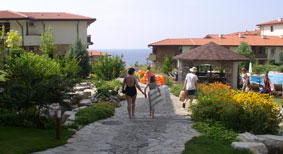
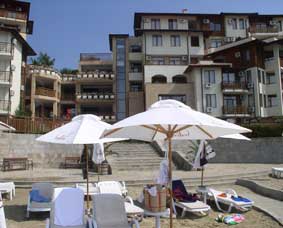
The building with their apartment and an indoor pool, the view from
their balcony, and the main pool and hotel restaurant
 .
.  .
. 
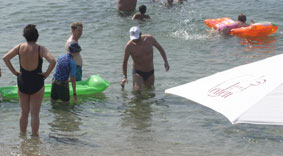
Greg, Emi and the kids going down to the beach for sun, sand and swim
 .
.  .
. 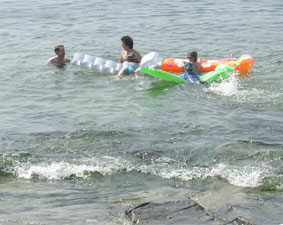
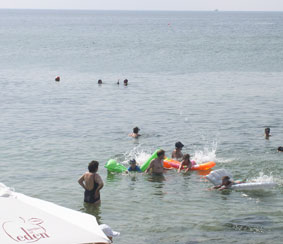
Greg, Emi and the children at the moderately crowded beach
 .
. 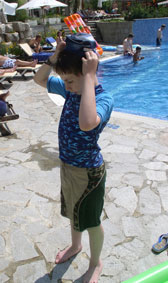
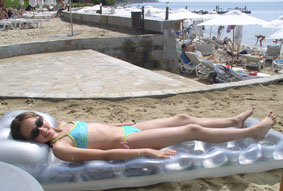
The twins: Joyce getting a tan, and Gregory preparing to swim
 .
.  .
. 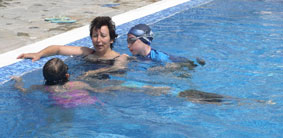
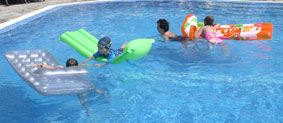
Joyce, Gregory and Mina with their air mattresses, and Emi with the
children
 .
.  .
. 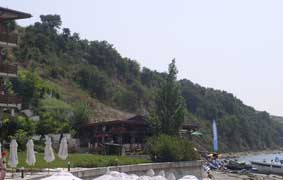
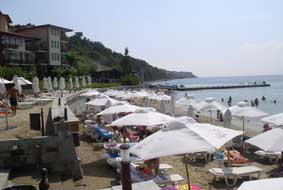
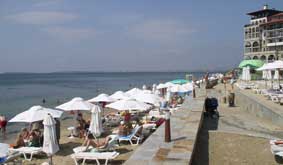
The beach in front of the resort, with its fish restaurant and
undeveloped coastline beyond
QUEBEC
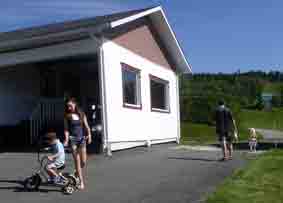
Since for once I had no major commitments in the summer, I went to Quebec
from 10 to 27 August to visit my son Alexander, his wife Mahalia, and
Jérémie, Benjamin and Alie, with a visit to Mahalia's mother Lise's new
farm, and three days at the Quebec Bahá'í Summer School. There was time for
excursions and a night at the Cirque du Soleil, as well as painting the
deck.
 .
. 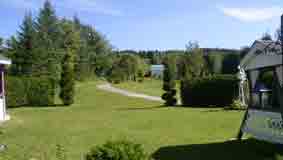
Lise's farm goes up to the top of the hill, and used to have a rope
tow to the top for winter skiing
 .
.  .
. 
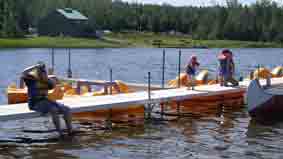
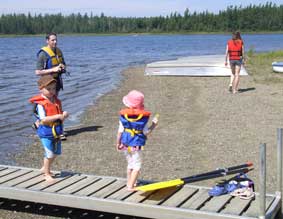
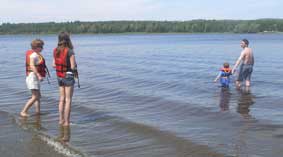
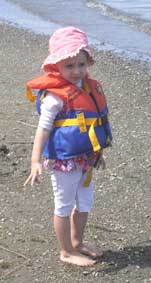
We took a rowboat across the lake in Frontanac National Park
 .
.  .
. 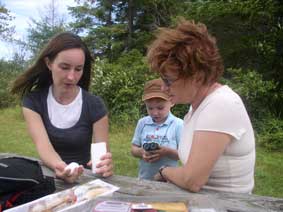
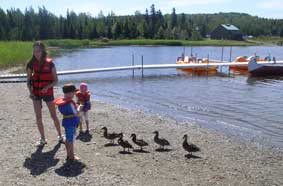
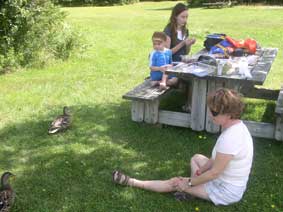
There was time for a swim and a picnic with friendly ducks
 .
. 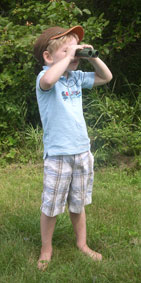
My grandchildren, Alie and Benji
 .
.  .
. 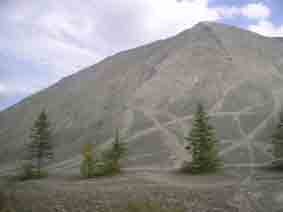
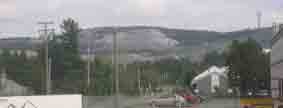
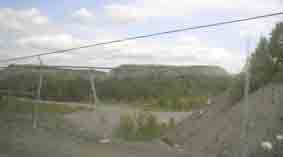
We drove through Thetford Mines, a town surrounded by mountains of
asbestos mining tailings
 .
.  .
. 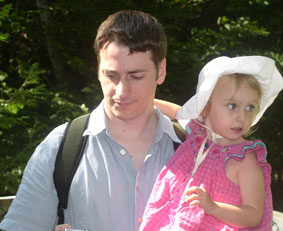
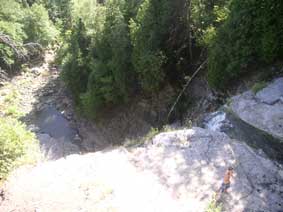
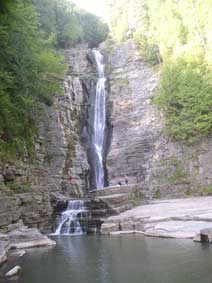
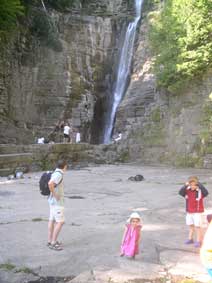
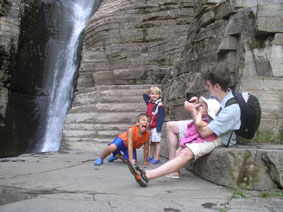
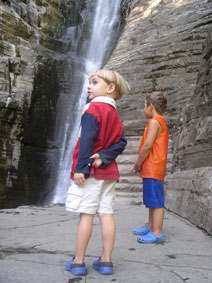
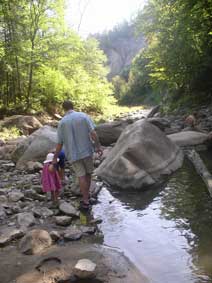
Another excursion to St. Anne de Beaupré took us down 400 steps to a
waterfall
 .
.  .
. 
 .
.  .
. 
 .
.  .
. 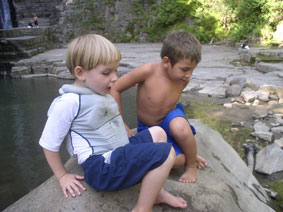
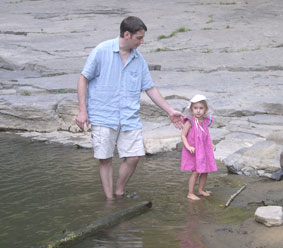
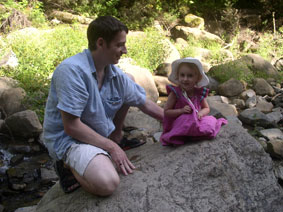
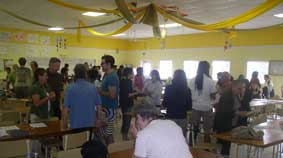
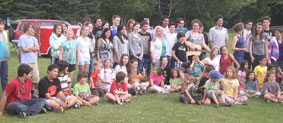
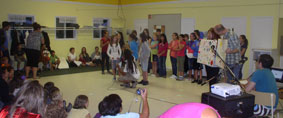
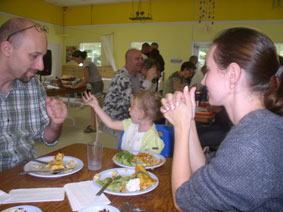
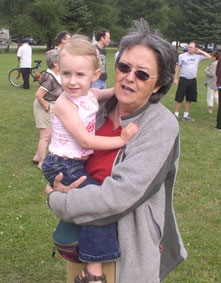
The Quebec Bahá'í Summer School brought together about 160 people in a
forest camp near a lake. There were adult and children's classes,
recreational activities, and evening entertainment.
 .
.  .
. 
 .
.  .
. 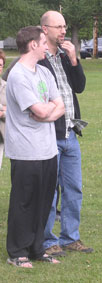
It was a chance to meet old friends like Sebastian and Monique, and
make new ones
 .
.  .
. 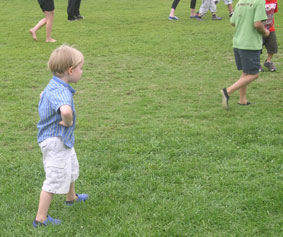
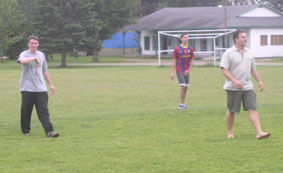
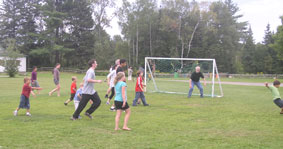
A football game included players from 4 to 50+
 .
. 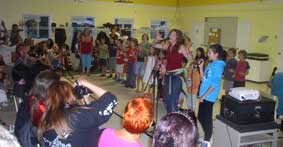
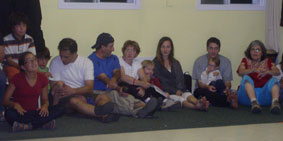
In the evenings, some watched while others performed
 .
. 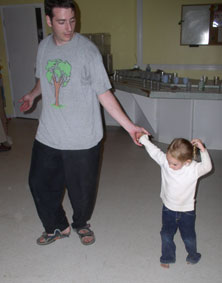
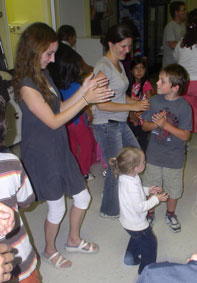
The school concluded with a dance, which Alie particularly liked
THE NETHERLANDS
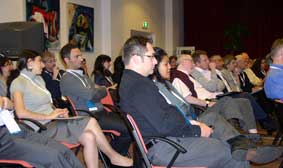
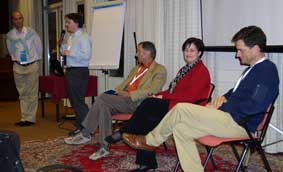
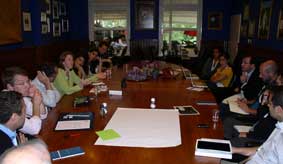
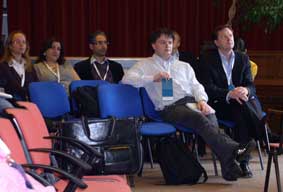
The European Bahá'í Business Forum held its annual conference at the de
Poort conference centre near Nijmegen in The Netherlands. We had an EBBF
Governing Board meeting before the conference, and the usual high level of
talks, panels, workshops and informal networking. As usual, I was asked to
give a closing summary of the conference.
 We
lauched a new logo and rebranding of EBBF
We
lauched a new logo and rebranding of EBBF
 .
.
 .
. 
 .
.  .
. 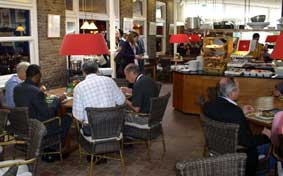
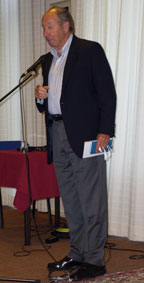
Jason Maude and Daniel Truran were the main conference organizers,
and my old friend George Starcher, President of EBBF
FRENCH ALPS
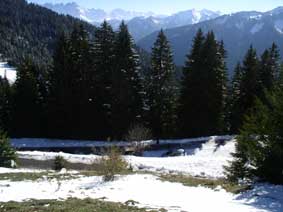
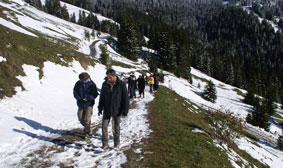
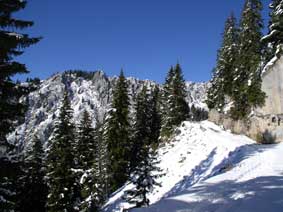
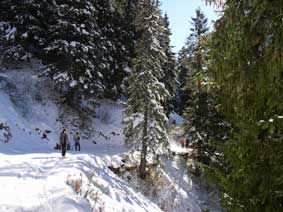
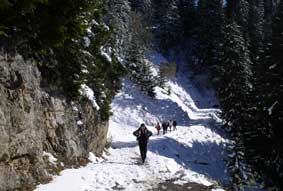
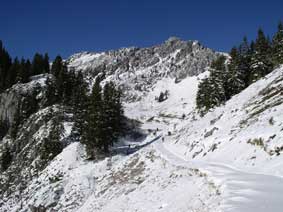
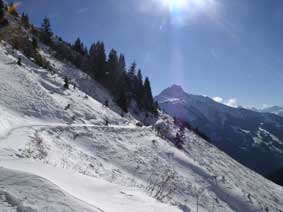
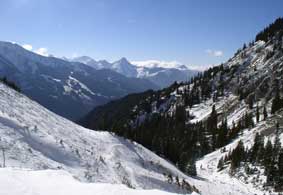
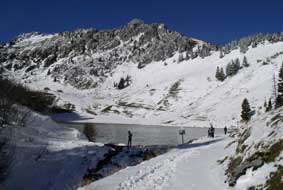
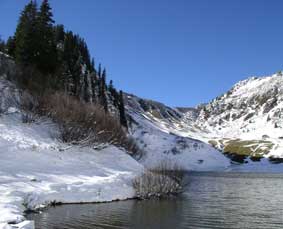
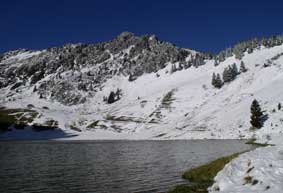
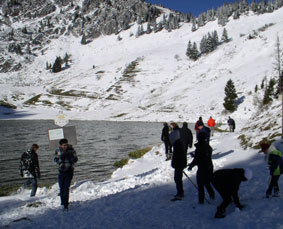
I gave two classes at a Bahá'í autumn camp on Environment and Health in the
mountain village of La Chapelle d'Abondance in late October. One afternoon
we hiked up to the high alpine Lac d'Arvouia. Snow came early to the Alps
this year.
 .
.  .
. 
 .
.  .
. 
 .
.  .
. 
 .
.  .
. 
Lac d'Arvouia surrounded by peaks
CROATIA
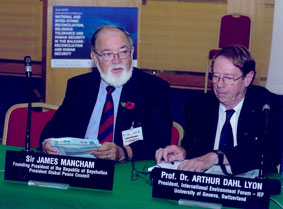
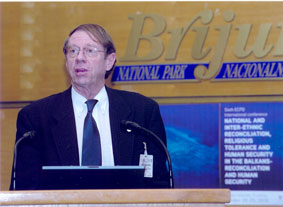
I again represented the International Environment Forum at the European
Center on Peace and Development's 6th International Conference on National
and Inter-Ethnic Reconciliation, Religious Tolerance and Human Security in
the Balkans, on 28-29 October 2010 on the Brioni Islands, Croatia, on the
theme "Implementing Human Security". I co-chaired one session with Sir James
Mancham, Founding President of the Republic of Seychelles, and gave a paper
on "Interstate Collaboration for
Human Security: The Lessons from Copenhagen". Participants included
former Ministers and Presidents, religious leaders, government officials and
academics from across the western Balkans.
 .
.  .
. 
BRIGHTON, ENGLAND
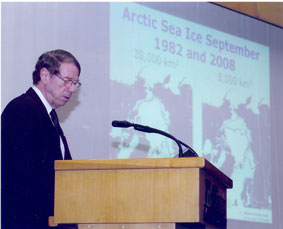
In December, I had multiple hats at the international conference at the
University of Brighton, UK, on "Making the
Invisible Visible" about values-based indicators of education for
sustainable development. The conference both presented the results of the
two-year research project on values-based indicators that I helped to lead,
and was the 14th Conference of the International Environment Forum (see http://iefworld.org/conf14.html
for a full report). I also gave my public inaugural lecture as Visiting
Professor at the University of Brighton.
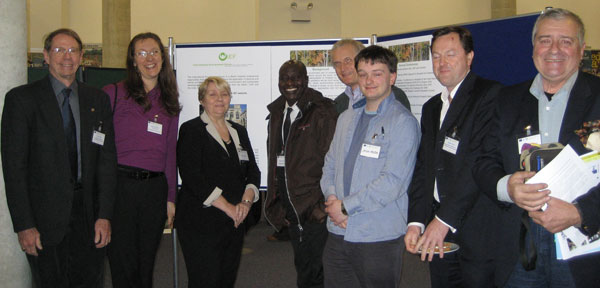
IEF members at the Conference, from left: Arthur Dahl, Sylvia
Karlsson-Vinkhuyzen, Wendi Momen, Maxwell Ayamba, Onno Vinkhuyzen, Jason
Maude, Daniel Truran, Ezio Lanfranconi